


You’re asking what does an ADHD test look like for adults. Many assume a single session, a definitive quiz. The reality? Far more nuanced. For decades, the chaos of inattention and impulsivity—often dismissed as personality quirks or mere disorganization—has silently reshaped lives. This post demystifies the evaluation process, steering you toward a clear diagnosis and, more importantly, a path forward. Forget the guesswork; clarity is within reach.
Dissecting the Adult ADHD Diagnostic Framework Beyond a Simple Checklist
An adult ADHD assessment isn’t some singular, simplistic ordeal. It’s a deliberate, multi-faceted inquiry. Think of it less as a quick scan and more as a thorough interrogation of your neurological landscape. This approach guards against misdiagnosis—a common pitfall when symptoms overlap with other conditions. It establishes a bedrock of certainty, foundational for any subsequent treatment plan. Without this rigorous foundation, any intervention risks being misapplied, yielding frustration rather than relief.
The process commences with an in-depth clinical interview. This is where the clinician begins to map your lived experience against diagnostic criteria. They’re listening for patterns—persistent difficulties that began in childhood, even if undiagnosed then. Your personal narrative is paramount. It’s not just about current struggles; it’s about tracing their lineage.
Featured in 2026: The most relevant data found.
What is an Adult ADHD Evaluation? Unpacking the Diagnostic Imperative
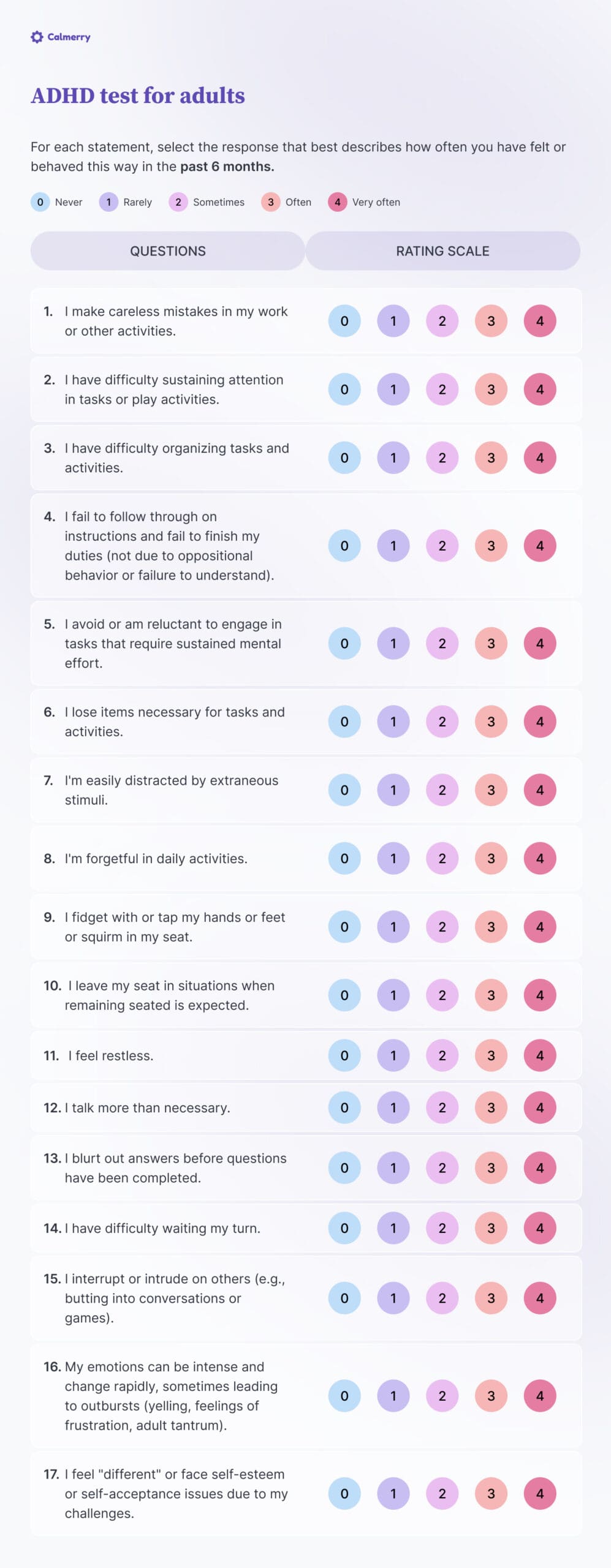
Adult Attention-Deficit/Hyperactivity Disorder—a diagnosis often missed for decades—demands a rigorous, multi-faceted evaluation. This is not a quick questionnaire, nor a singular, definitive blood test. Rather, it is an exhaustive diagnostic odyssey, meticulously constructed to unravel years, often a lifetime, of seemingly disparate struggles. We are speaking of a methodical process, one designed to differentiate genuine neurodevelopmental variance from other conditions masquerading with similar symptomatology. The aim: clarity, precision, and ultimately, a pathway toward appropriate support.
Many harbor misconceptions, believing a diagnosis arrives from a fleeting consultation. That notion is naive. A proper adult ADHD evaluation delves into an individual’s past and present, scrutinizing behavioral patterns, cognitive functions, and emotional regulation across various life domains. It seeks to establish a pervasive, chronic pattern of inattention, hyperactivity, or impulsivity originating in childhood—a critical diagnostic criterion often overlooked by the uninformed.

This is a serious endeavor, commanding both the clinician’s expertise and the patient’s candid engagement. It is an investment in self-understanding, a crucial step for those who have long questioned their own internal operating system. The process itself offers an initial layer of insight, even before a formal diagnosis emerges.
| Aspect of Evaluation | Description |
|---|---|
| Duration | Typically 2 to 6 hours, frequently spread across multiple appointments. |
| Key Components | Clinical Interview, Childhood History Review, Standardized Rating Scales, Informant Reports, Differential Diagnosis, Objective Testing (optional). |
| Preparation | Gathering old academic, medical, or employment records; compiling specific examples of lifelong struggles. |
| Outcome | A detailed diagnostic report, outlining findings and providing tailored recommendations for management. |
| Purpose | To accurately diagnose or rule out adult ADHD, distinguishing it from other conditions. |
What is an Adult ADHD Evaluation?
An adult ADHD evaluation constitutes a comprehensive clinical assessment, a structured inquiry into an individual’s psychological and neurocognitive profile. Its core purpose revolves around establishing whether a person’s persistent difficulties align with the diagnostic criteria for ADHD as outlined in psychiatric manuals. This involves more than simply identifying current symptoms; it necessitates a thorough exploration of their historical context, developmental trajectory, and impact on daily functioning.
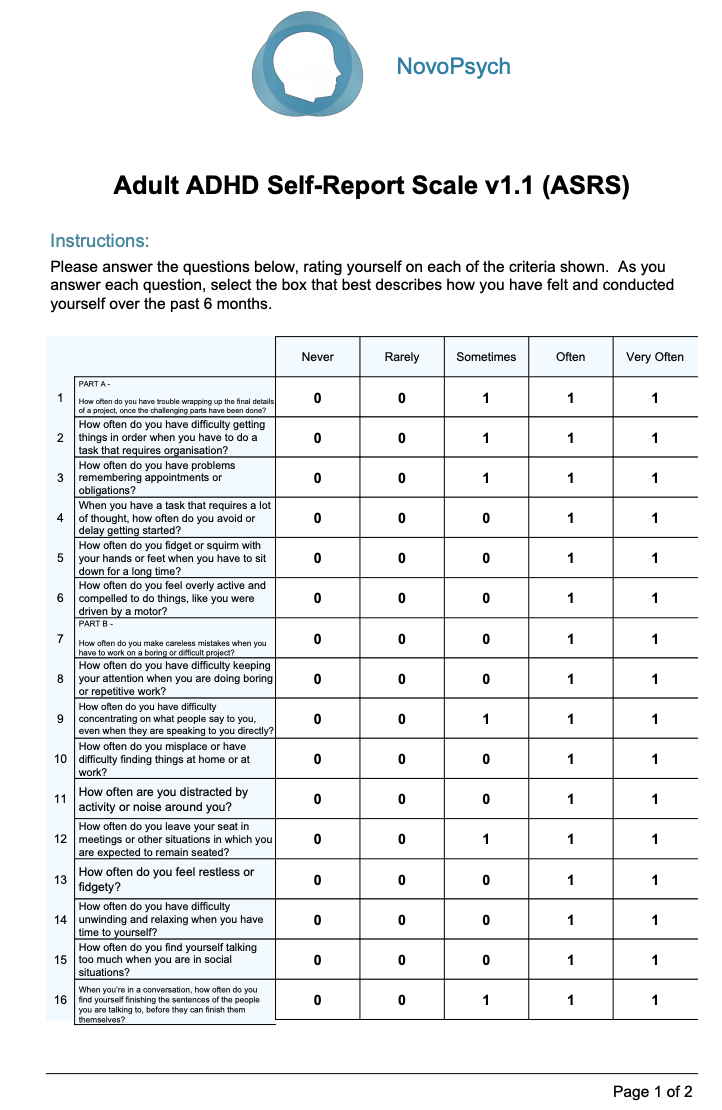
The evaluation seeks to ascertain the pervasiveness of symptoms—their presence across multiple settings like work, home, and social interactions—and their chronicity, meaning they must have manifested from childhood. It is a nuanced undertaking, requiring a skilled clinician to synthesize disparate pieces of information into a cohesive diagnostic picture. Simply put, it is the adult ADHD diagnostic process, a necessary precursor to any informed intervention.
Key Components of an ADHD Evaluation
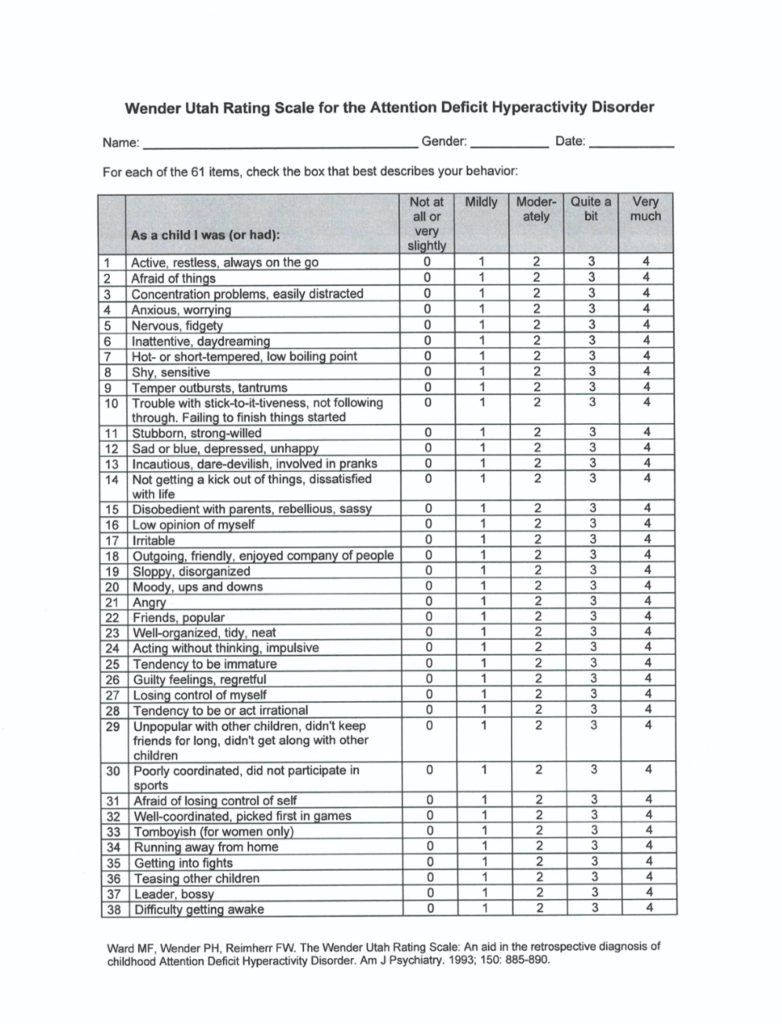
The architecture of an ADHD evaluation is robust, built upon several interdependent pillars. No single element bears the sole weight of diagnosis; rather, each component contributes to a holistic understanding of the individual. We speak of a clinical interview as foundational, a deep dive into self-reported experiences. Then, the critical review of childhood history, often corroborated by external sources, lends historical context. Standardized rating scales provide objective measures against normative data. Differential diagnosis—the process of ruling out other conditions—remains paramount. And sometimes, cognitive or objective testing supplements these subjective and historical accounts, offering another layer of data.
The Clinical Interview
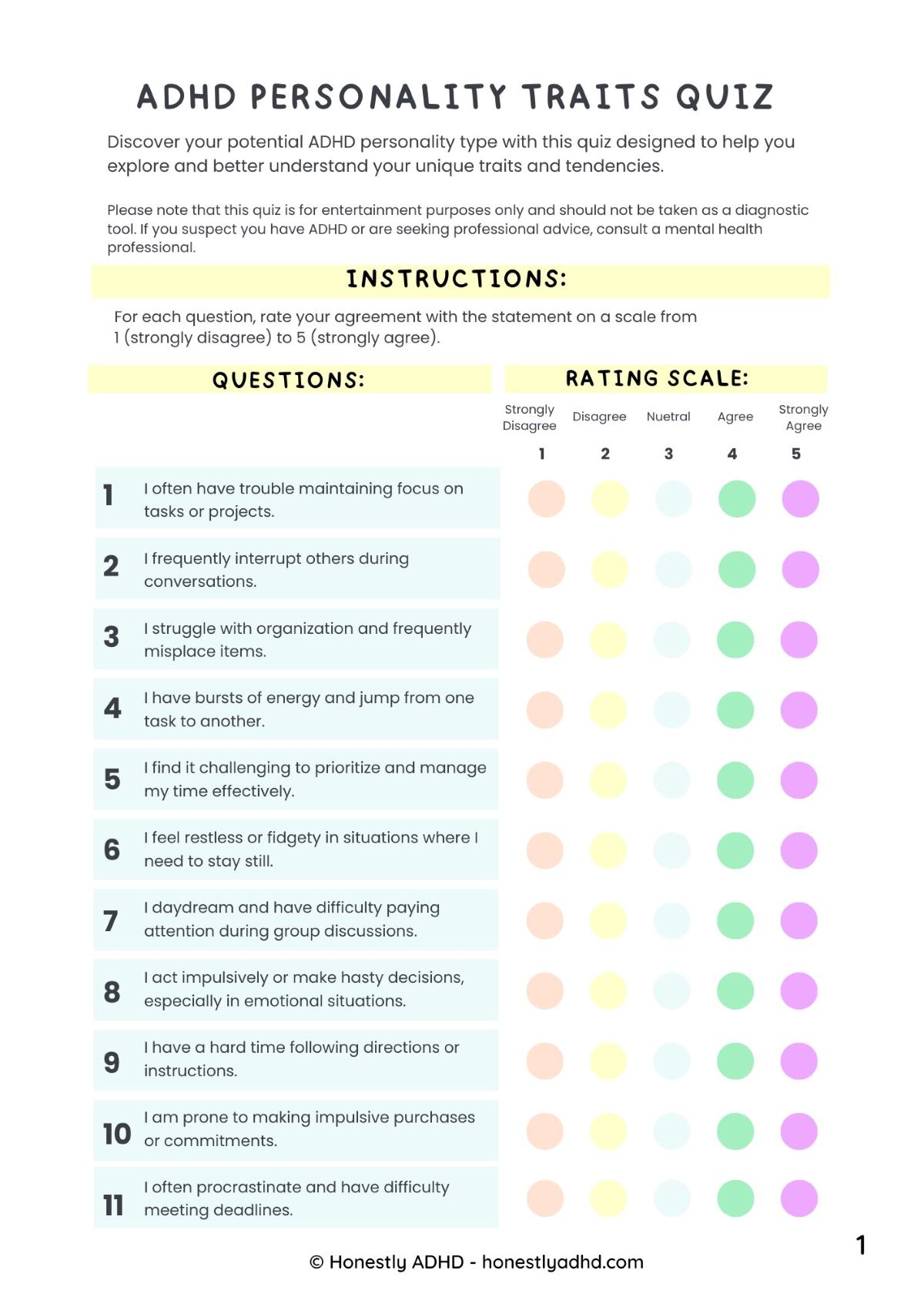
The clinical interview serves as the cornerstone. This extended conversation, spanning perhaps an hour or more, allows the clinician to gather extensive self-reported information. It is here that the individual articulates their struggles: difficulties with sustained attention, challenges in task initiation or completion, issues with organization, forgetfulness, impulsivity in speech or action, restlessness, emotional dysregulation, or chronic procrastination. The interviewer probes for specific examples, seeking to quantify the severity and frequency of these manifestations. They inquire about academic performance across various stages, employment history, relationship dynamics, financial management, and even driving habits—all areas where undiagnosed ADHD frequently surfaces. The clinician is not merely listening; they are actively discerning patterns, identifying the subtle threads connecting seemingly disparate life events to core ADHD symptomatology. It is an intricate dance of recollection and clinical observation.
"The interview is not interrogation; it is an excavation. We dig for the roots of lifelong patterns, seeking the consistent narrative that points toward a neurodevelopmental origin."
Childhood History and Informant Reports
A diagnosis of ADHD requires evidence of symptoms originating in childhood—typically before age 12. This necessitates a painstaking reconstruction of the past. The clinician will request details about early schooling, behavioral patterns at home, social interactions, and developmental milestones. Did the individual struggle with homework consistently? Were they often in trouble for fidgeting or talking out of turn? Did they exhibit excessive energy or difficulty waiting their turn? This retrospective account is crucial. Moreover, informant reports—perspectives from parents, older siblings, former teachers, or long-term partners—provide invaluable corroboration. These external viewpoints help to validate or contextualize the individual’s self-report, offering an objective lens on historical and current functioning. Without this historical anchor, a diagnosis remains incomplete, lacking the necessary developmental context.
Standardized Rating Scales and Objective Testing
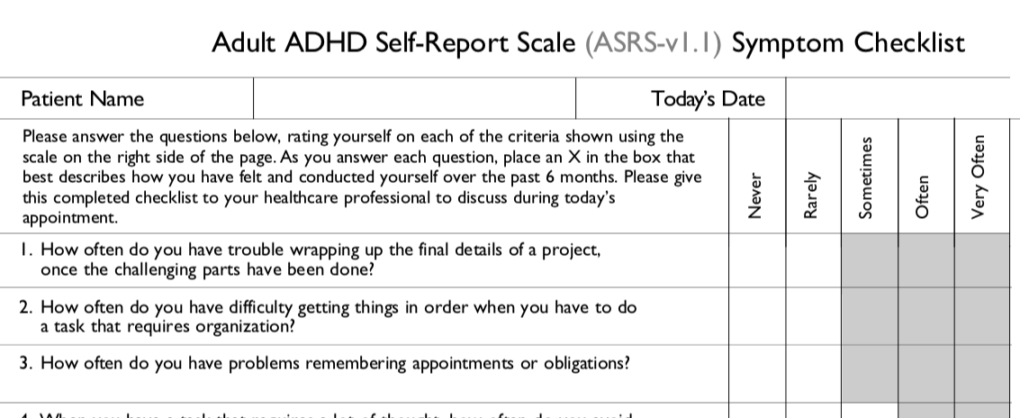
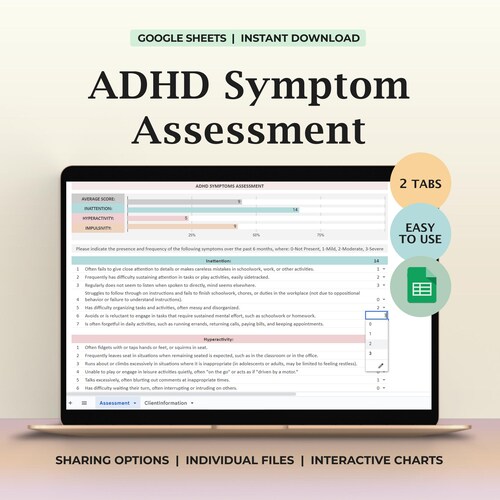
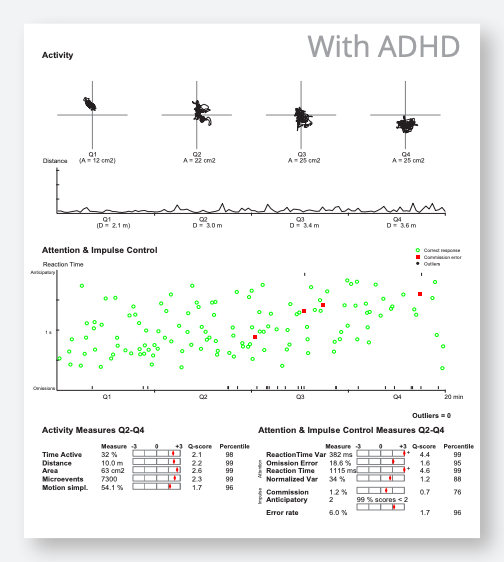
Standardized rating scales furnish quantifiable data, offering a comparative measure of an individual’s symptoms against a normative population. These are not diagnostic tools in isolation, but rather instruments that inform the overall assessment. They typically involve questionnaires completed by the individual and, ideally, by an informant. Scales such as the Conners’ Adult ADHD Rating Scales (CAARS) or the Adult ADHD Self-Report Scale (ASRS) assess various dimensions of inattention, hyperactivity, and impulsivity. Beyond these, some evaluations incorporate objective testing. This might involve computerized tasks designed to measure sustained attention, inhibitory control, or working memory—functions often impaired in ADHD. These tasks, while not direct measures of ADHD itself, provide empirical data on cognitive performance under controlled conditions, complementing the subjective reports and clinical observations. They add a layer of empirical rigor to the overall picture.
Ruling Out Other Conditions
One of the most consequential phases of the adult ADHD diagnostic process involves differential diagnosis. Many conditions—anxiety disorders, mood disorders such as depression or bipolar disorder, sleep disorders, substance use disorders, or even certain medical conditions—can mimic ADHD symptoms. A skilled clinician meticulously explores these possibilities. They will inquire about a history of trauma, current stressors, medication usage, and general physical health. This careful sifting process is non-negotiable; misattributing symptoms to ADHD when another primary condition exists not only delays appropriate care but can also exacerbate the underlying issue. The goal is precision: to correctly identify the primary driver of the individual’s difficulties, ensuring any subsequent treatment aligns with the actual pathology.
What to Expect During the Process
Individuals seeking an adult ADHD evaluation should anticipate a substantial time commitment. This is rarely a single appointment. The duration, ranging from two to six hours, often necessitates multiple sessions. The initial consultation typically involves the in-depth clinical interview. Subsequent appointments might focus on reviewing historical documents, administering rating scales, or conducting specific cognitive tests. Prepare for probing questions, for revisiting difficult periods of your life, and for moments of introspection. The clinician will guide the process, but your active participation—your willingness to recall, describe, and reflect—is paramount. This methodical approach, while demanding, serves to gather the extensive information required for a sound diagnosis. Expect a thoroughness that reflects the gravity of the diagnostic endeavor.
Preparation and Outcomes of the Evaluation
Preparation is not merely advisable; it is imperative. Gather any old school report cards, academic transcripts, performance reviews from past employment, or medical records that speak to long-standing patterns of difficulty. Specific examples of struggles—detailed anecdotes from childhood, adolescence, and adulthood—are invaluable. Think about instances of forgetfulness, impulsivity, disorganization, or difficulty sustaining attention, noting their context and impact. The more detailed your account, the richer the data for the clinician. The outcome of this exhaustive process is a detailed diagnostic report. This document will articulate the findings, confirm or rule out an ADHD diagnosis, and provide concrete, actionable recommendations. These might include pharmacological interventions, behavioral strategies, psychotherapy, coaching, or accommodations in academic or professional settings. This report becomes a foundational document, guiding future support and intervention strategies.
This content is informational, consult a specialist.
Is the Investment Worth It? The Unquestionable Value of a Precise Diagnosis
The question of worth, when facing a diagnostic evaluation of this magnitude, is entirely valid. Yes, it demands time. Yes, it demands a financial outlay. But the return on that investment, for someone who has navigated life with undiagnosed ADHD, is often immeasurable. To finally grasp the underlying mechanism of one’s persistent struggles—to put a name to the invisible force that has shaped so many experiences—offers profound validation. It shifts self-blame to self-understanding.
A precise diagnosis unlocks access to effective, evidence-based interventions. Without it, individuals often flounder, attempting to manage symptoms with ill-suited strategies, leading to frustration, burnout, and diminished self-esteem. The clarity derived from a thorough evaluation provides a roadmap for targeted support, allowing individuals to finally build a life that accommodates their neurotype, rather than constantly fighting against it. For many, this is not merely a diagnostic step; it is a pivotal moment, a turning point toward genuine self-acceptance and functional living. The verdict is unequivocal: the pursuit of diagnostic accuracy for adult ADHD is an investment that pays dividends across every facet of one’s existence.
Extra Tips
- Gather Documentation: Before your evaluation, collect any old school reports, work reviews, or journals that detail persistent struggles with focus, organization, or impulsivity. This provides concrete evidence.
- Be Honest and Detailed: Don’t downplay your difficulties. The clinician needs a full picture. Provide specific examples of how ADHD symptoms impact your daily life—work, relationships, self-care.
- Prepare Questions: Write down any concerns or questions you have about the adult ADHD diagnostic process or potential treatments. This ensures you get the most out of your appointment.
- Consider Informant Reports: If possible, ask a trusted partner, family member, or close friend to provide their perspective. Their input on your behavioral patterns can be invaluable during an adult ADHD assessment.
Frequently Asked Questions
Is there a single, definitive ADHD test for adults?
No, an ADHD evaluation for adults is not a single test. It’s a thorough diagnostic process involving clinical interviews, questionnaires, and a review of your history to confirm a diagnosis. The adult ADHD diagnostic process is multifaceted.
How long does an ADHD evaluation typically take?
The duration varies. A comprehensive adult ADHD assessment can span several hours, often spread across multiple sessions—sometimes between 2 to 6 hours in total. This allows for a deep dive into your experiences.
Can I get diagnosed with ADHD if my symptoms started in adulthood?
While ADHD is a neurodevelopmental disorder that typically begins in childhood, symptoms must have been present before age 12 to meet diagnostic criteria. However, many adults only seek diagnosis later in life when the demands of adulthood make symptoms more apparent. The adult ADHD diagnostic process accounts for this.
Conclusion
Navigating the path to an ADHD diagnosis as an adult requires diligence and a willingness to confront persistent challenges. Remember, the adult ADHD diagnostic process is designed to be thorough, offering clarity and a foundation for managing symptoms effectively. Understanding the adult ADHD assessment is the first step toward reclaiming control over your daily life.
