

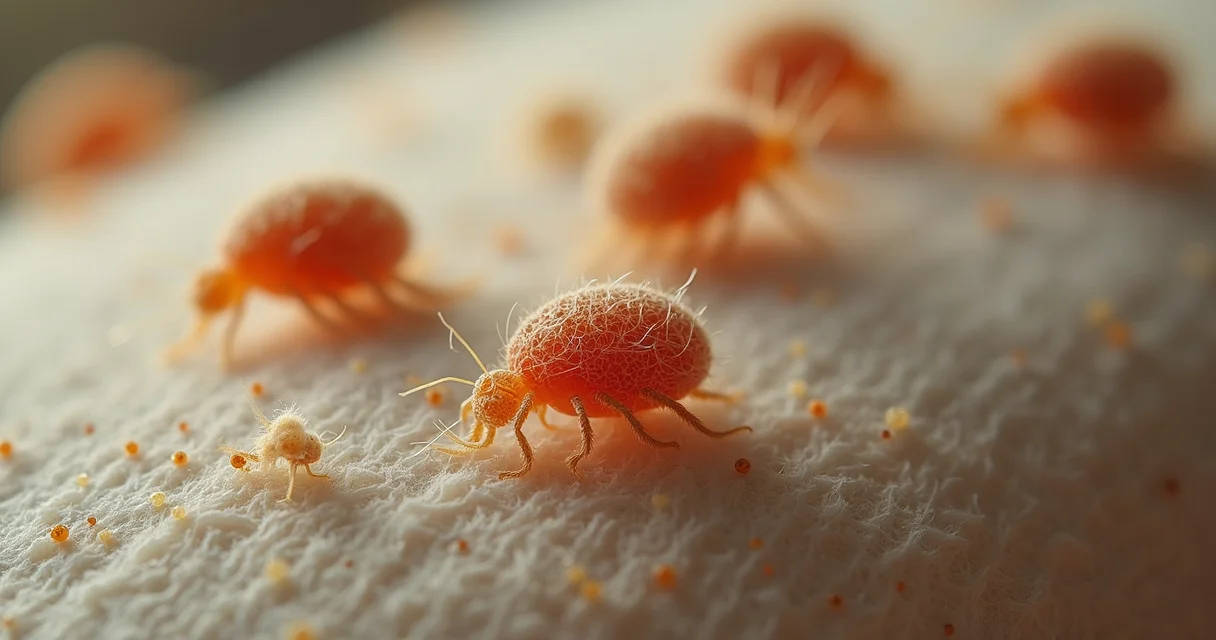
What do dust mites look like to the human eye? The answer is simple: you don’t see them. Not ever. Yet these microscopic architects of allergy season have been making themselves known in your home since 2026—and likely long before. We live alongside millions of these tiny tenants, oblivious to their presence until the sneezing fits begin. This article pulls back the curtain, revealing the unseen reality of what lurks in your carpets and upholstery.
The Invisible Invaders: Why You Can’t See Dust Mites
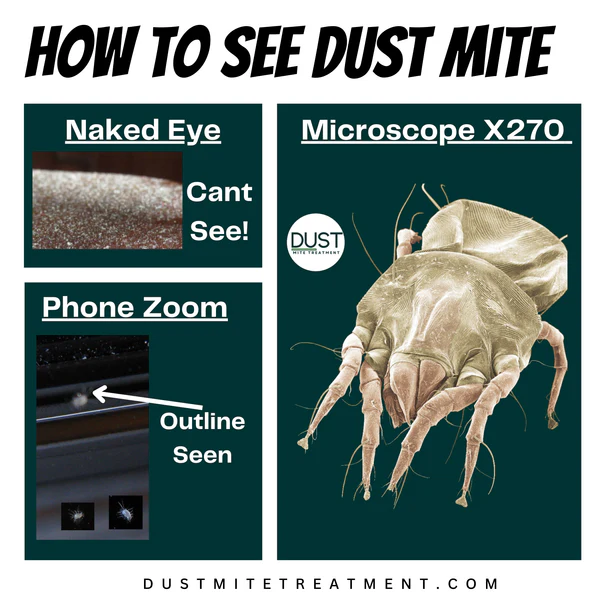
Dust mites are far too small for the naked eye. Their minuscule size is their greatest defense. A typical mite measures a mere fraction of a millimeter.
Think pinhead-sized, but even smaller. You’d need magnification to even begin to perceive their form. They exist in a realm beneath our visual threshold.
This invisibility is precisely why they proliferate unnoticed. They are pervasive, settling into every nook and cranny of your living space.
Featured in 2026: Dust mites are microscopic, measuring 0.2 to 0.3 millimeters, and are translucent or pale white, making them invisible to the naked eye. Under a microscope, they appear as round, eight-legged creatures resembling tiny spiders, lacking eyes and antennae but possessing setae for sensing their environment. Their specialized mouthparts are for scavenging dead skin cells, not biting. Signs of infestation include allergenic film on surfaces, rapid dust accumulation, and physical symptoms like rashes or watery eyes.
The Unseen Inhabitants: Dust Mites in the Modern Home
In the year 2026, where digital transparency often reigns, it’s almost ironic that the most pervasive inhabitants of our domestic spheres remain utterly unseen. We meticulously curate our digital footprints, yet often overlook the biological reality thriving within our very mattresses, carpets, and upholstered furniture. These minute creatures, though imperceptible to the unaided eye, wield significant power over our indoor air quality and, consequently, our well-being.
Ignoring their presence is a folly. Our homes, regardless of their pristine appearance, serve as unintended havens for these microscopic arthropods. Their existence dictates a silent battle against allergens—a constant, unseen dynamic affecting millions daily. Acknowledging this hidden reality is the first step toward reclaiming genuine control over our living environments.
Technical X-Ray: Discerning the Microscopic Foe
The true scale of these ubiquitous tenants often eludes perception. We speak of dust, yet rarely consider the living components within it. Dust mites are not merely abstract nuisances; they are complex organisms, albeit on a sub-millimeter scale. Their profound influence on respiratory health demands a closer, more scientific look.
| Trait | Description |
|---|---|
| Size | Microscopic, measuring 0.2 to 0.3 millimeters in length. |
| Body Shape | Round, globular body. |
| Legs | Eight-legged. |
| Visibility | Invisible to the human eye without magnification. |
Why Dust Mites Are Invisible
Their diminutive stature is the primary reason for their elusiveness. A dust mite, measuring between 0.2 and 0.3 millimeters, fits comfortably on the head of a pin—several of them, in fact. This scale renders them beyond the resolution of human vision. We perceive light and shadow, form and color, but individual particles smaller than about 0.1 millimeters simply blend into the visual background, becoming part of the general ‘dust’ we sweep away, never discerning the life teeming within.
What Dust Mites Look Like Under a Microscope
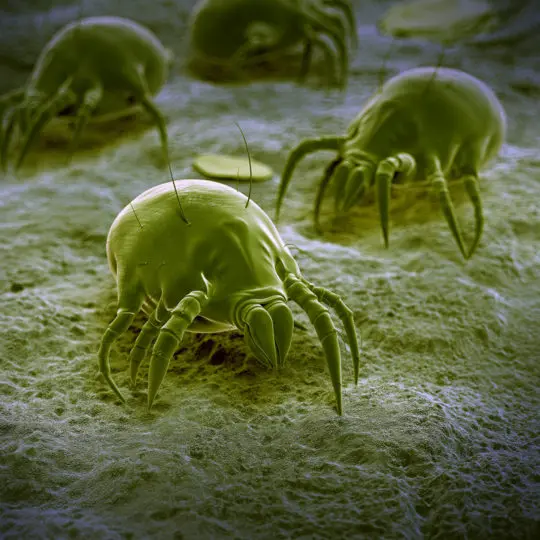
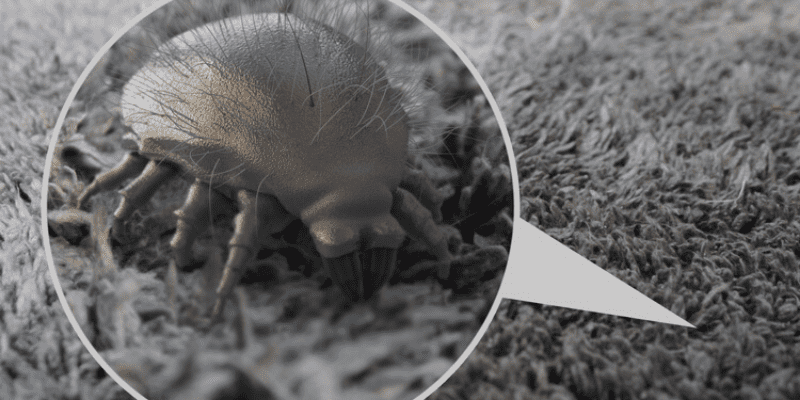
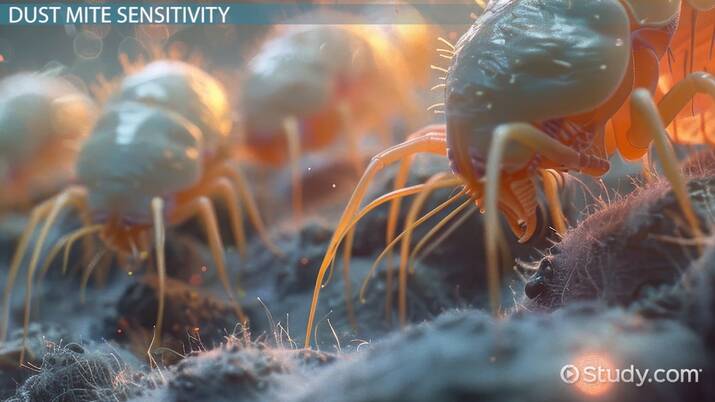
Only under significant magnification do these creatures reveal their true form. Picture a tiny, translucent sphere, almost beetle-like, but devoid of wings. Their eight-legged, globular form becomes clear, often bristling with fine hairs. They do not possess eyes in the conventional sense, navigating their micro-habitat through chemoreceptors and tactile senses. It’s a morphology perfectly suited for a life amidst discarded epidermal cells.
Expert Observation: “A common misconception involves mistaking dust mites for insects. They are arachnids, closer kin to spiders and ticks, a crucial distinction when considering their biology and environmental preferences.”
Dust Mite Anatomy: Shape, Features, and Mouthparts
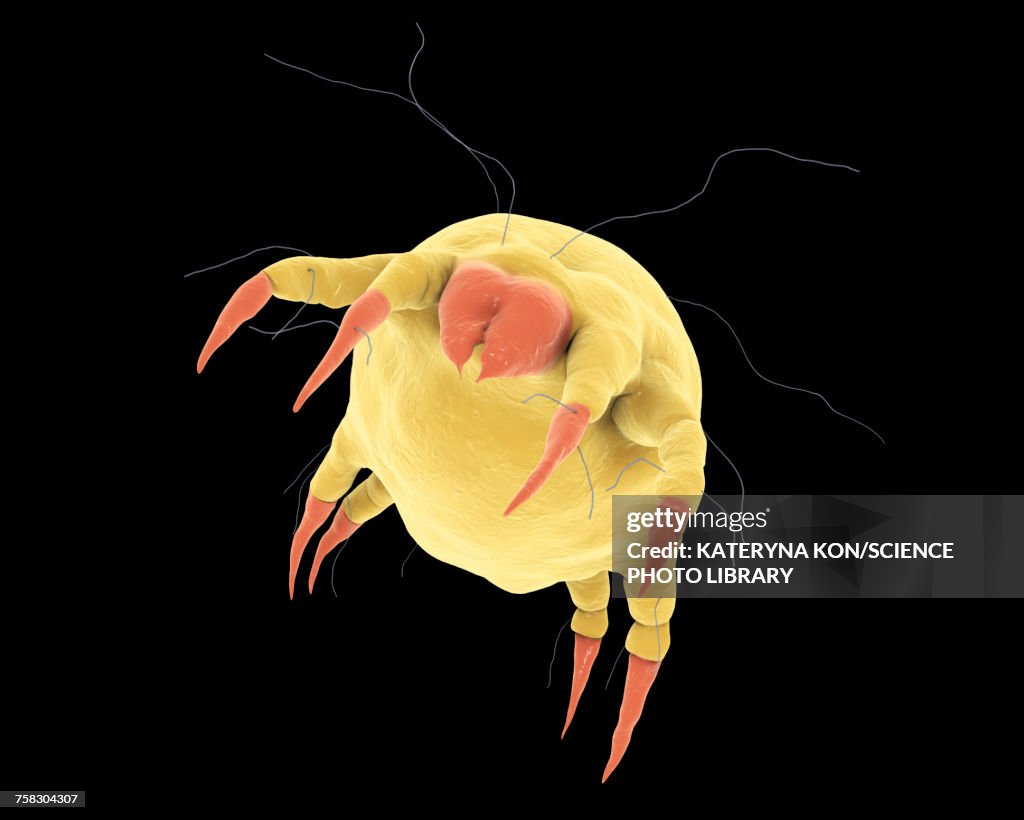
Beyond mere size, their morphology presents a fascinating study in adaptation. The body is typically unsegmented, giving it that characteristic round, sack-like appearance. Four pairs of sturdy legs allow them to grip fibers and navigate their fibrous landscape. Their mouthparts—chelicerae—are adapted for scraping and consuming their primary diet: dead human and animal skin flakes. These are not biting creatures in the parasitic sense; their interaction with us is purely incidental, a byproduct of their quest for sustenance.
Visible Signs of Dust Mite Infestation
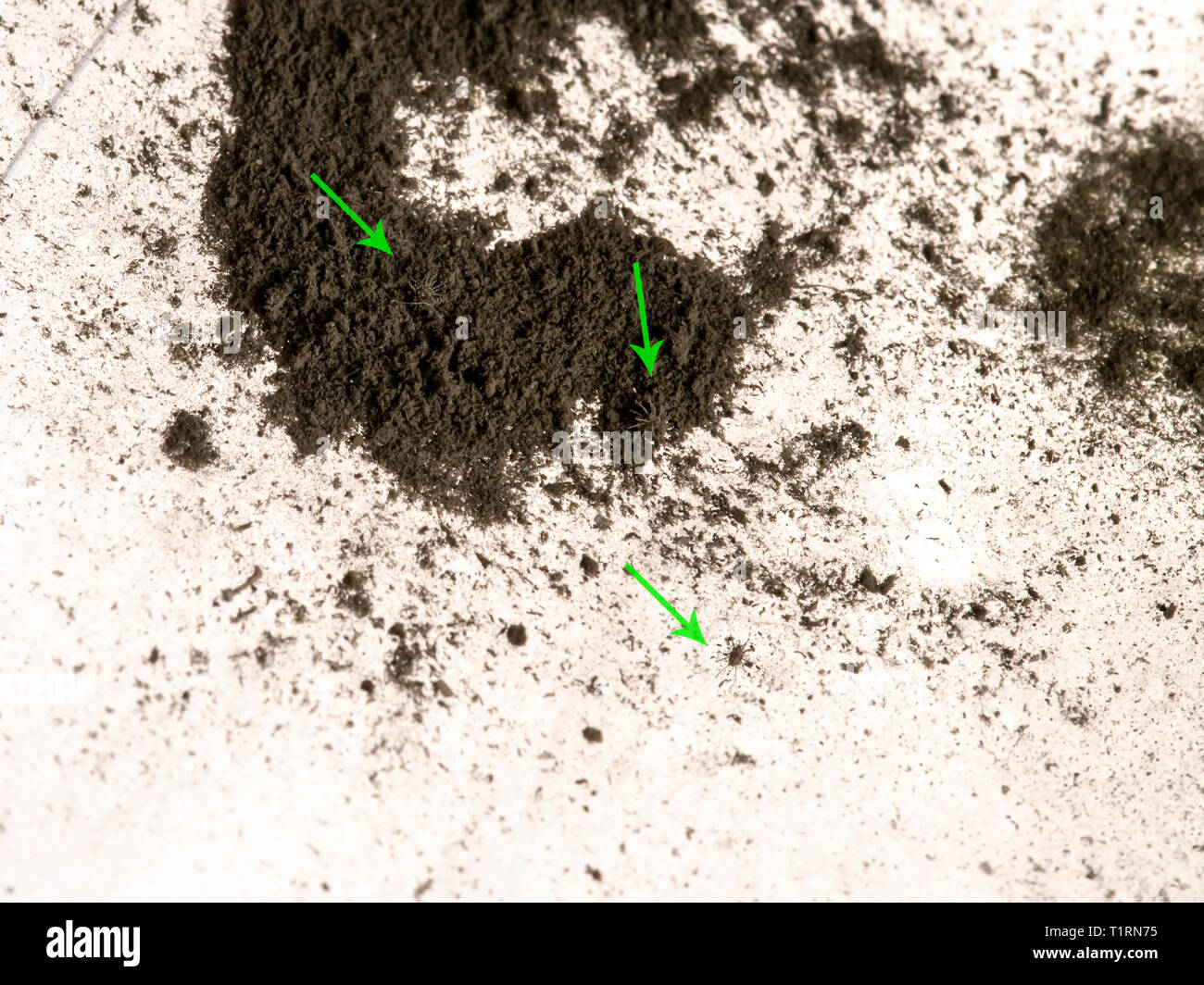
One does not observe dust mites directly. Instead, one discerns their presence through indirect indicators—primarily, the manifestations of allergic reactions. Persistent sneezing, nasal congestion, itchy eyes, or skin rashes, particularly upon waking or after spending time in undisturbed areas, are tell-tale signs. The mites themselves leave no visible trails, no distinct droppings discernible without magnification. The ‘dust’ itself, when accumulating rapidly, is often rich in their exoskeletons and fecal pellets—the true allergens.
Distinguishing Dust Mites from Other Pests
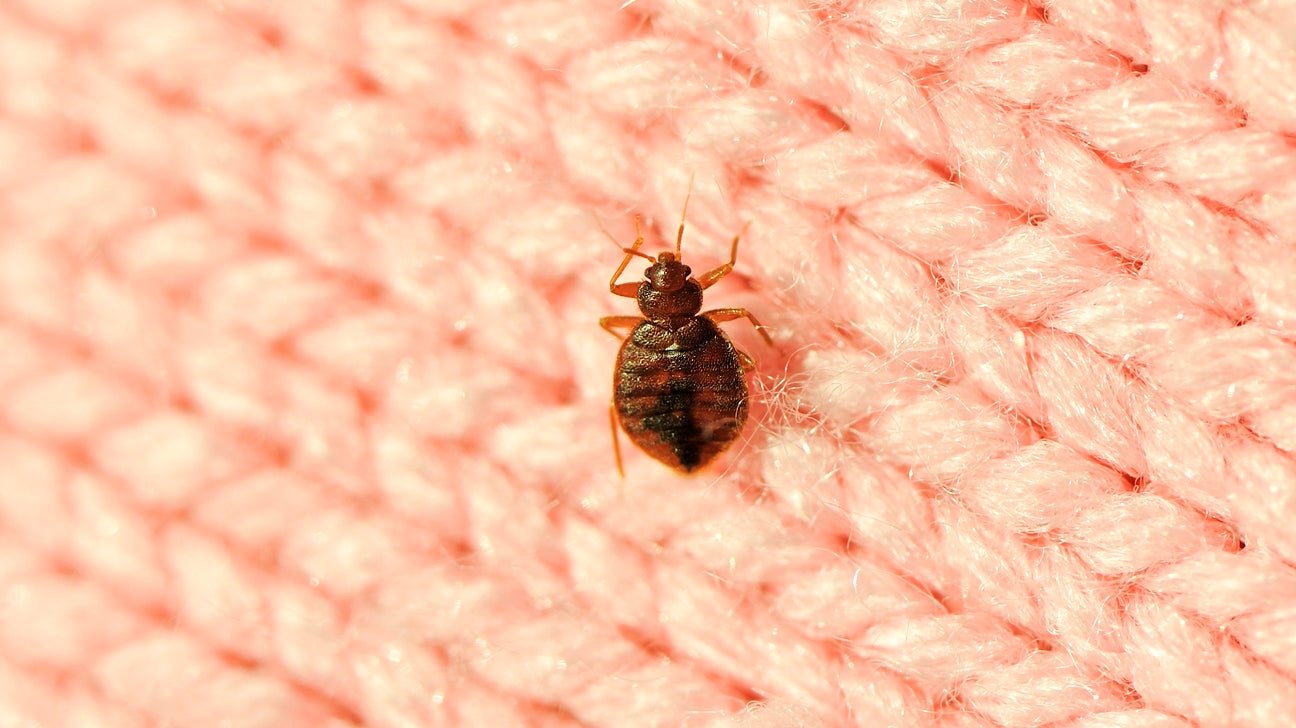
Confusion often arises regarding household pests. Dust mites, however, stand apart from bed bugs, fleas, or even microscopic molds. Bed bugs are macroscopic, visible to the human eye, leave distinct bites, and feed on blood. Fleas, similarly, are visible, jump, and bite. Molds are fungi, static and growing in colonies. Dust mites, conversely, are mobile arachnids, invisible, non-biting, and feed exclusively on organic detritus—mainly skin cells. Their impact is systemic, respiratory, not dermal in a direct biting sense.
The Role of Dust Mites in Allergies and Asthma
Their profound impact on human health stems not from their presence itself, but from their discarded proteins. Dust mite fecal pellets and decaying body fragments contain potent allergens—enzymes such as Der p 1 and Der f 1. When these airborne particles are inhaled, they can trigger an immune system response in sensitized individuals. For those with allergic rhinitis or asthma, this exposure precipitates symptoms ranging from chronic congestion and sneezing to severe asthmatic episodes. It is a constant, insidious assault on the respiratory system, demanding proactive environmental management.
More Inspirations for You
Microscopic view of a dust mite, displaying its globular, eight-legged anatomy against a blurred background.
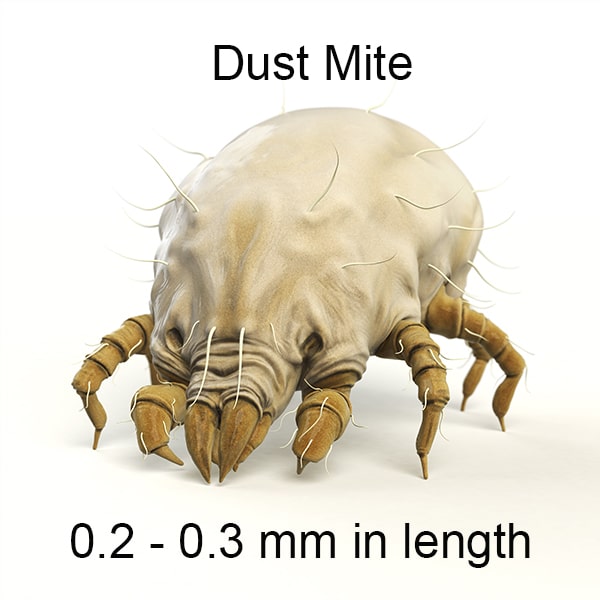
Close-up of a dust mite’s body, showing segmentation and translucent exoskeleton, approximately 0.3mm in scale.
Dust mite’s eight legs, each terminating in a small claw, magnified for detailed examination.
The rounded, oval shape of a dust mite’s main body segment, devoid of antennae.
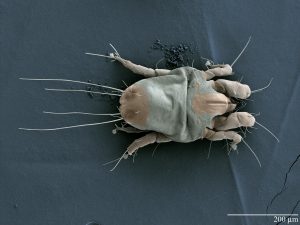
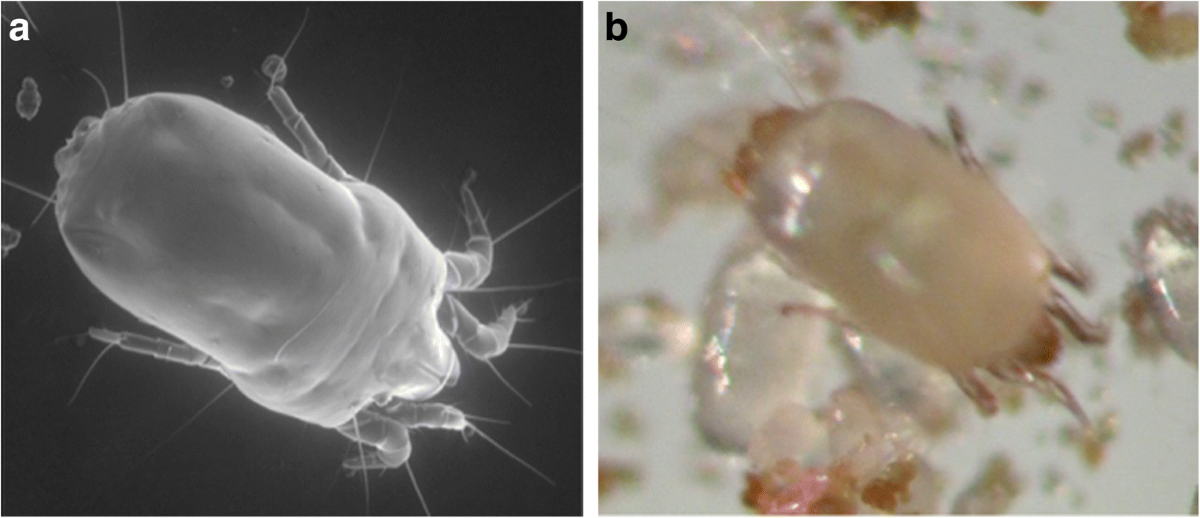
A dust mite specimen under high magnification, revealing its pale, almost colorless appearance.
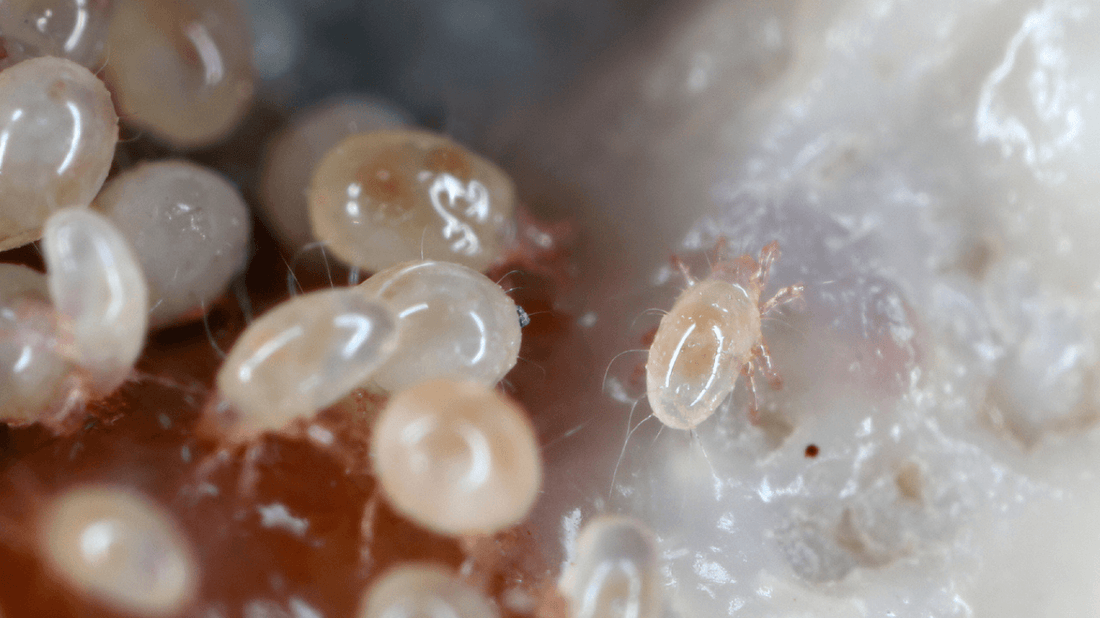
Comparison image: a dust mite next to a grain of sand to illustrate its minuscule dust mite size comparison.
Dust mite’s mouthparts, highly magnified, showing their feeding apparatus.
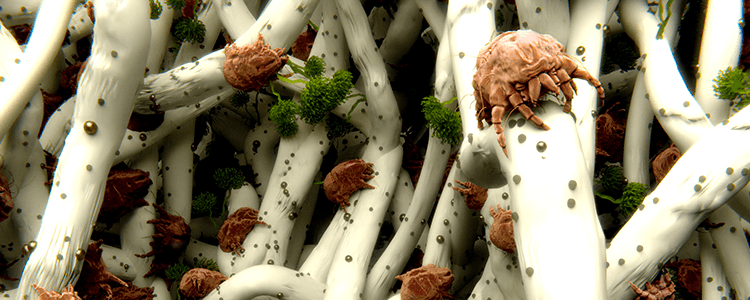
A cluster of dust mites on a fabric fiber, demonstrating their preferred habitat.
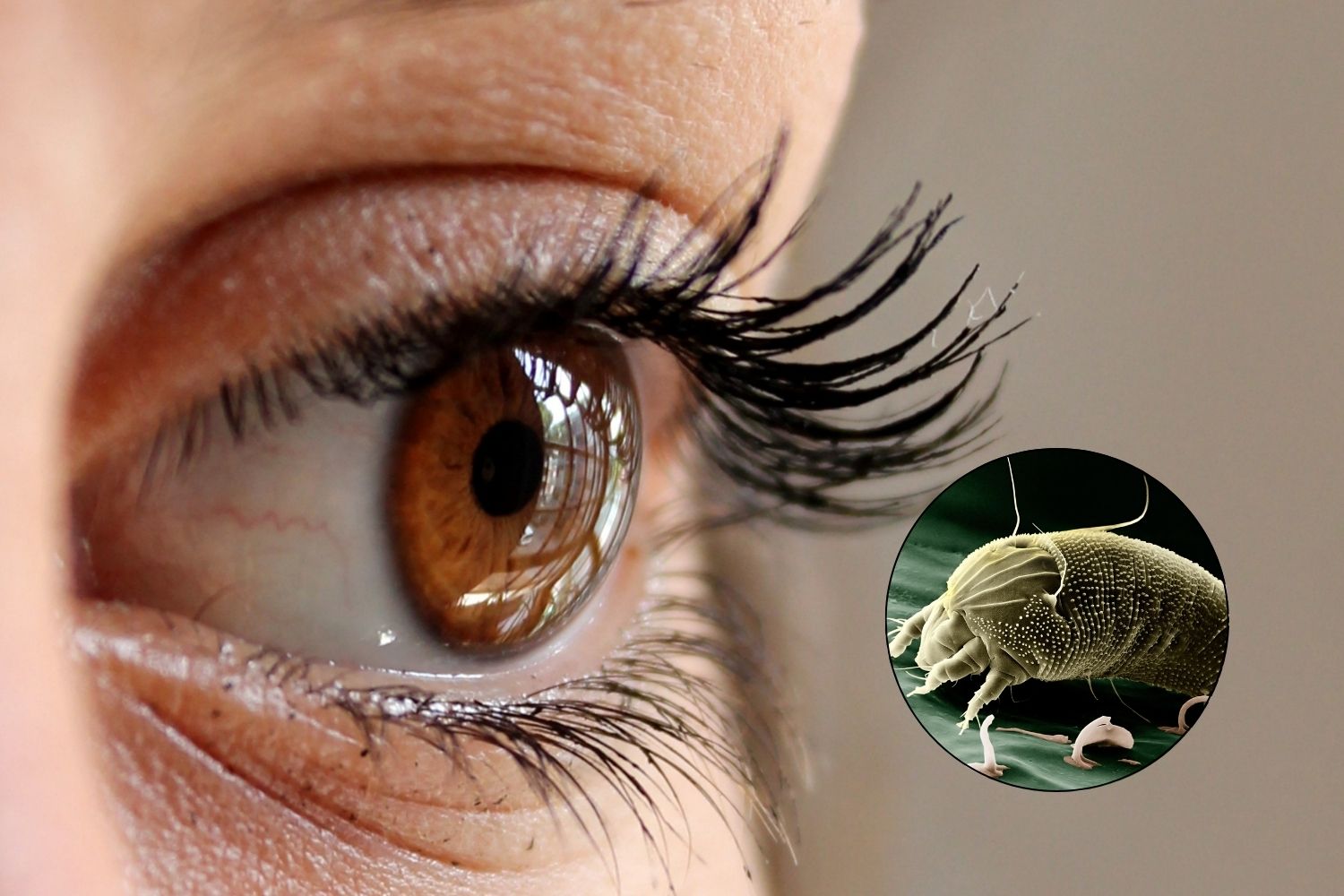
Scanning electron micrograph of a dust mite, highlighting surface texture and leg joints.
Dust mite’s body profile, emphasizing its low, flattened silhouette.
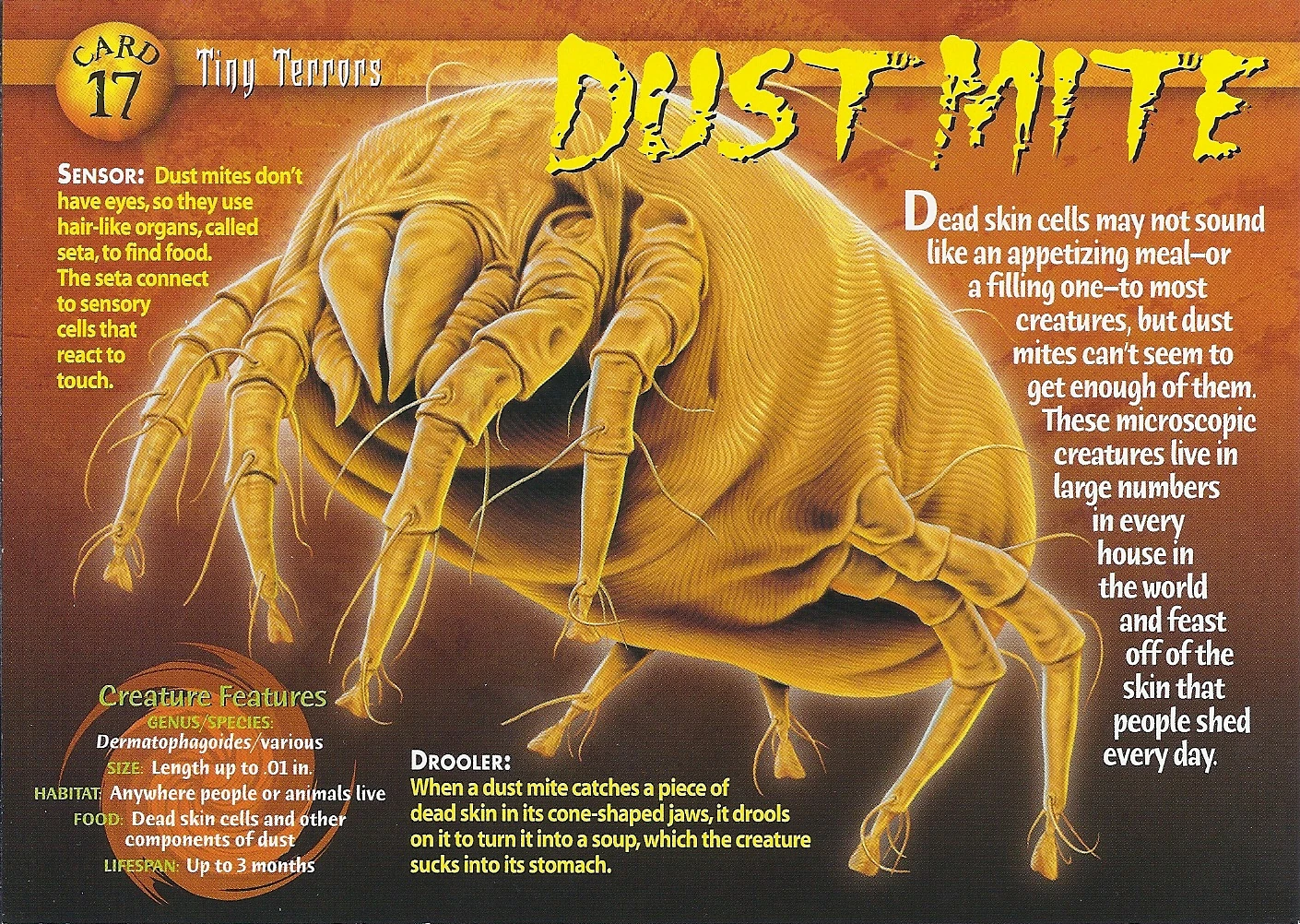
Image showing how to see dust mites with a phone camera attachment, revealing their microscopic form.
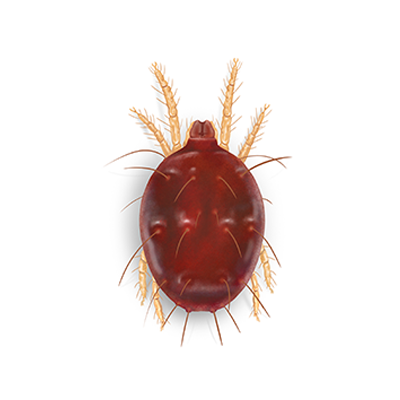
A dust mite’s dorsal view, showcasing the symmetry of its eight limbs.
Dust mite under polarized light, revealing internal structures and exoskeleton details.
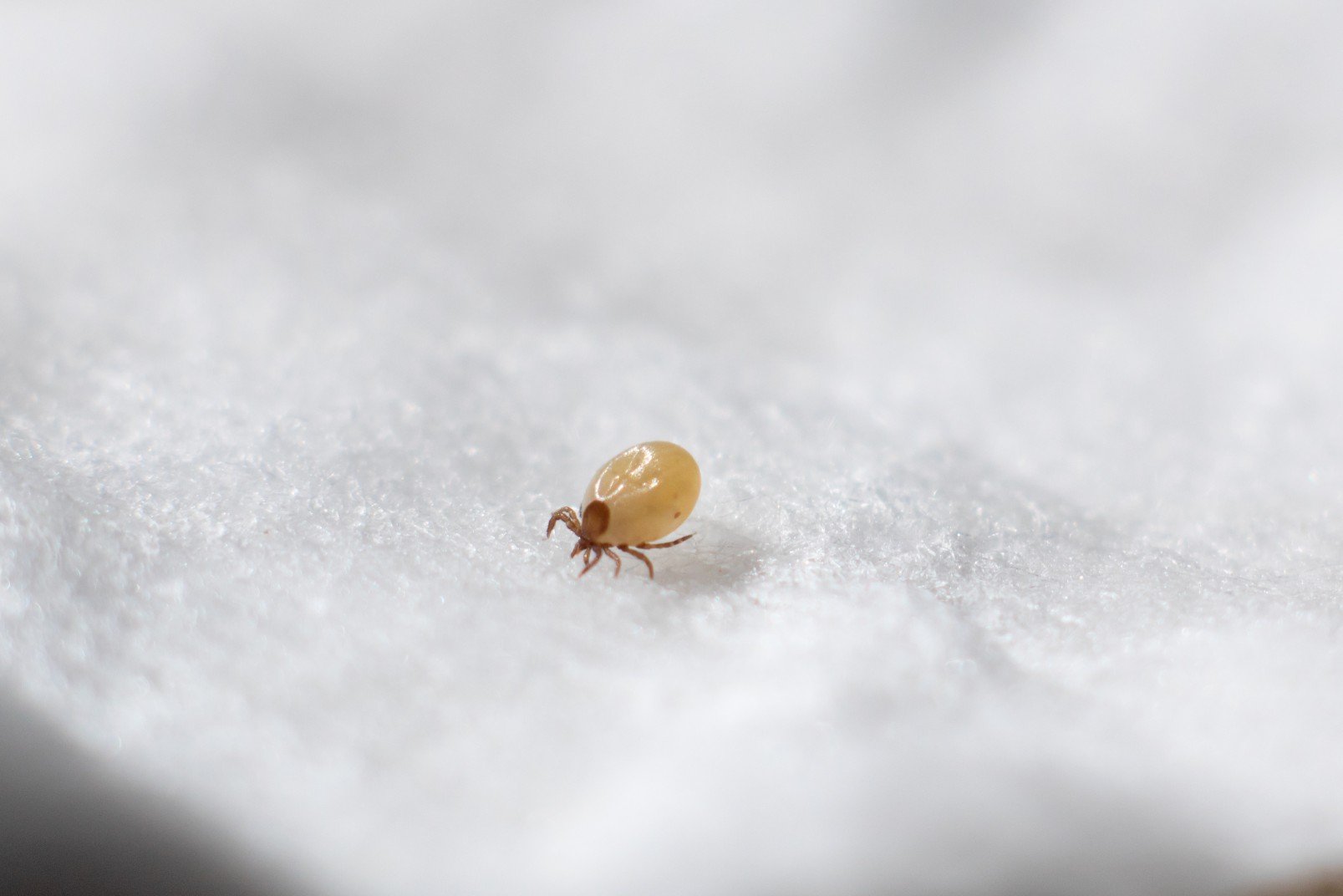
Dust mite’s overall structure, appearing as a tiny, segmented oval with appendages.

An extreme close-up of a dust mite’s head region, focusing on sensory structures.

Microscopic view of a dust mite, displaying its globular, eight-legged anatomy against a blurred background.
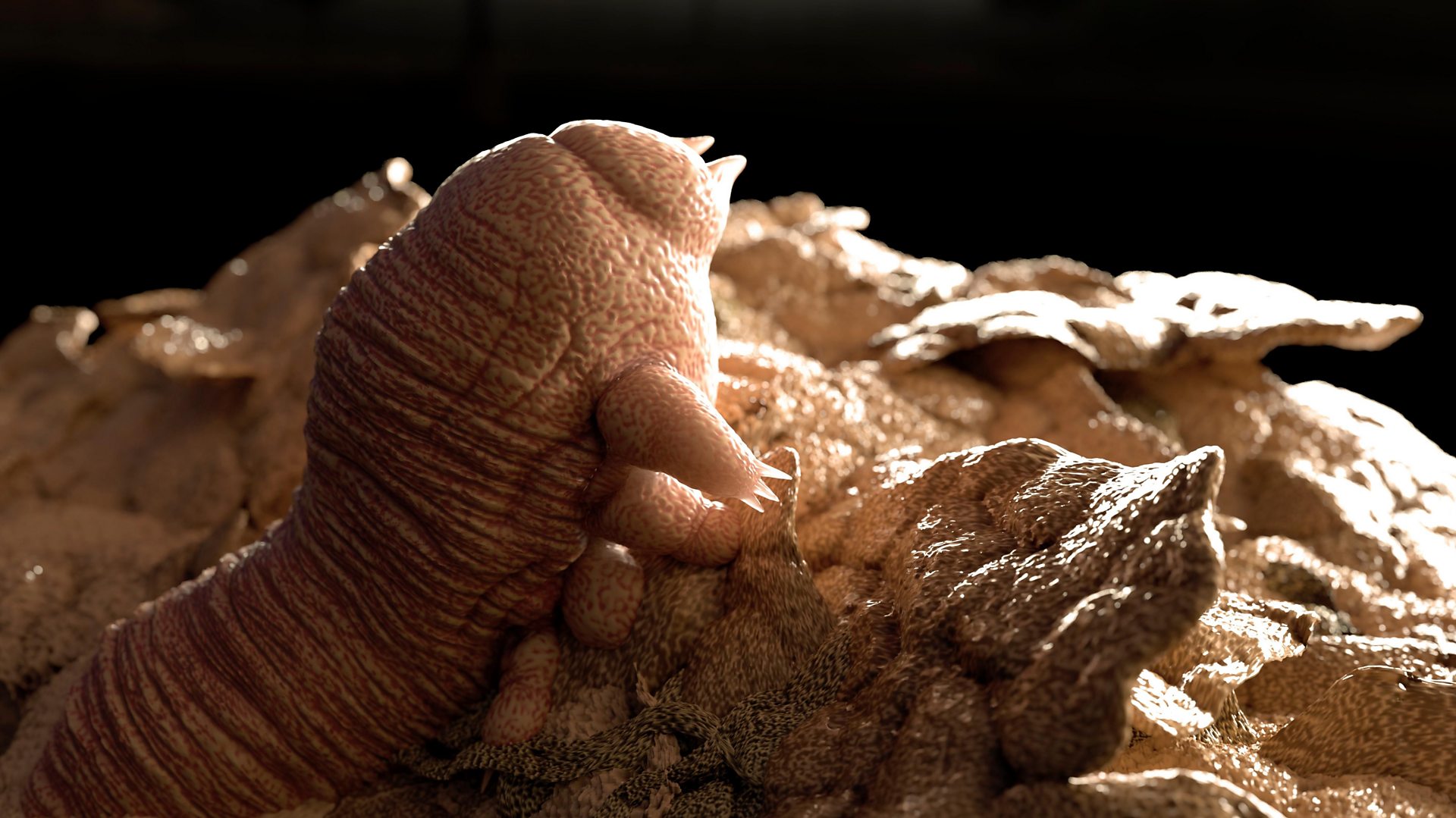
Close-up of a dust mite’s body, showing segmentation and translucent exoskeleton, approximately 0.3mm in scale.
Extra Tips
- Inspect Regularly: Use a magnifying glass to examine areas where dust accumulates.
- Control Humidity: Mites thrive in damp environments; aim for 30-50% humidity.
- Wash Bedding Hot: Use hot water (above 130°F or 54°C) weekly for linens.
- Consider Allergen Covers: Encasing mattresses and pillows can trap mites.
Frequently Asked Questions
Can I see dust mites without a microscope?
No, dust mites are microscopic organisms, typically measuring between 0.2 and 0.3 millimeters. Their size makes them invisible to the naked human eye, necessitating magnification to observe their structure, like their eight-legged body.
How do I know if I have dust mites?
While you can’t see dust mites directly, signs of their presence include persistent allergy symptoms like sneezing, runny nose, itchy eyes, and asthma exacerbation. Detecting dust mite presence often involves managing these symptoms and reducing their habitat.
What do dust mites look like up close?
Up close, under a microscope, dust mites appear as small, globular creatures. They possess an eight-legged, segmented body, often described as somewhat translucent or pale. Visualizing dust mites reveals their distinct anatomy, far removed from what we perceive daily.
Conclusion
The reality of dust mites—those minuscule, eight-legged inhabitants of our homes—underscores the importance of diligent cleaning. While you can’t see dust mites with the naked eye, their impact on indoor air quality and allergy sufferers is undeniable. Understanding their appearance up close and considering the broader topic of The Invisible Invaders: What Dust Mites Really Look Like can inform better domestic hygiene practices. Delving into Dust Mite Size and Shape: A Microscopic Deep Dive further clarifies why they escape our notice but not our attention.
