Do you ever find yourself wondering how to stop comparing yourself to others? It’s a common trap. We see highlight reels online and in real life, and suddenly, our own journey feels lacking. But here’s the truth: that constant comparison steals your joy and your sense of enoughness. This post is your guide to breaking free, reclaiming your confidence, and celebrating your unique path. Let’s dive in!
Unmasking the Comparison Game: Why Your Inner Critic Loves to Roam
Comparison often starts subtly. You see someone’s success, their perfect vacation, or their effortless style. It’s easy to think they have it all figured out. This thought process can quickly feed into self-doubt. You might start questioning your own choices and abilities. That’s right, your mind is wired to notice differences. It’s a survival instinct, but in today’s world, it can backfire. It leads you to believe you’re not measuring up. You focus on what you lack instead of what you possess. It’s a thief of contentment. Don’t worry, though. Recognizing this is the first powerful step.
Featured in 2026: The most relevant data found.
Mastering Self-Worth: Your Guide to Halting Comparison and Embracing Enoughness
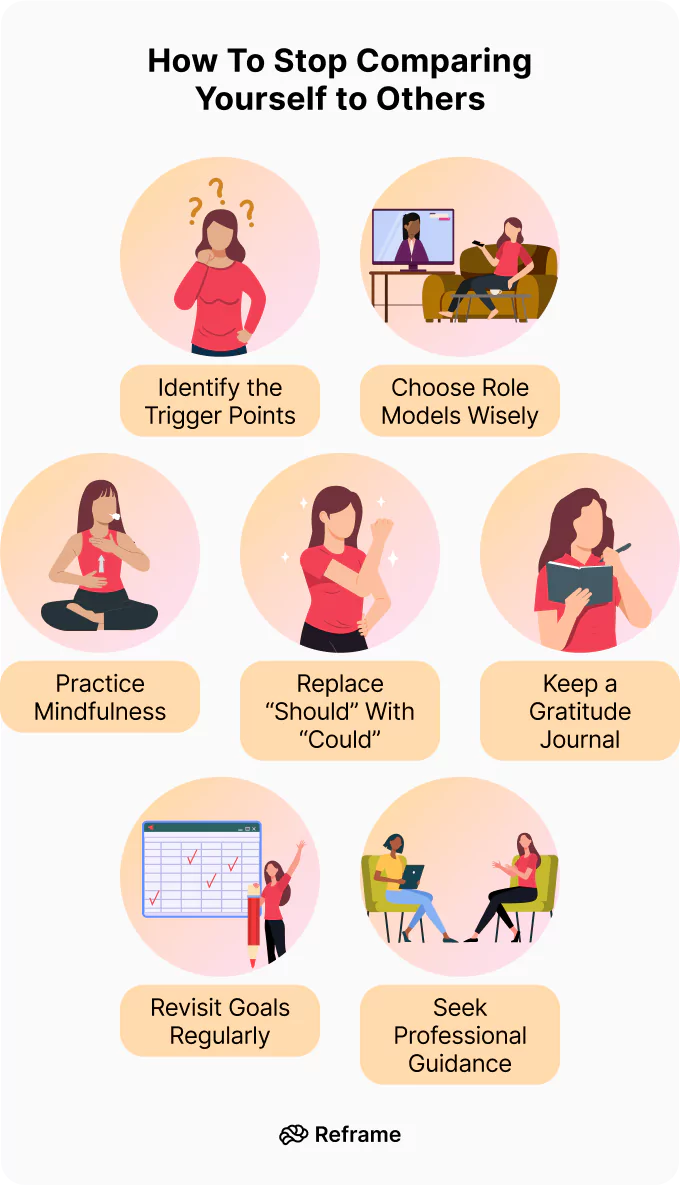
Referência: www.joinreframeapp.com
Let’s agree on something important: the journey to feeling truly ‘enough’ starts with understanding why we compare ourselves to others. It’s a deeply ingrained human tendency, amplified in our modern world. But it doesn’t have to define your self-perception. I’ve seen countless individuals transform their mindset, moving from constant external validation to profound internal peace. This guide is your roadmap to that transformation.
Imagine! You’re scrolling through your feed, and suddenly, a pang hits. Someone’s vacation, career milestone, or ‘perfect’ life flashes before your eyes. This isn’t just you; it’s a primal response. We’re wired to assess our standing within a group, but today’s digital landscape distorts this natural instinct.
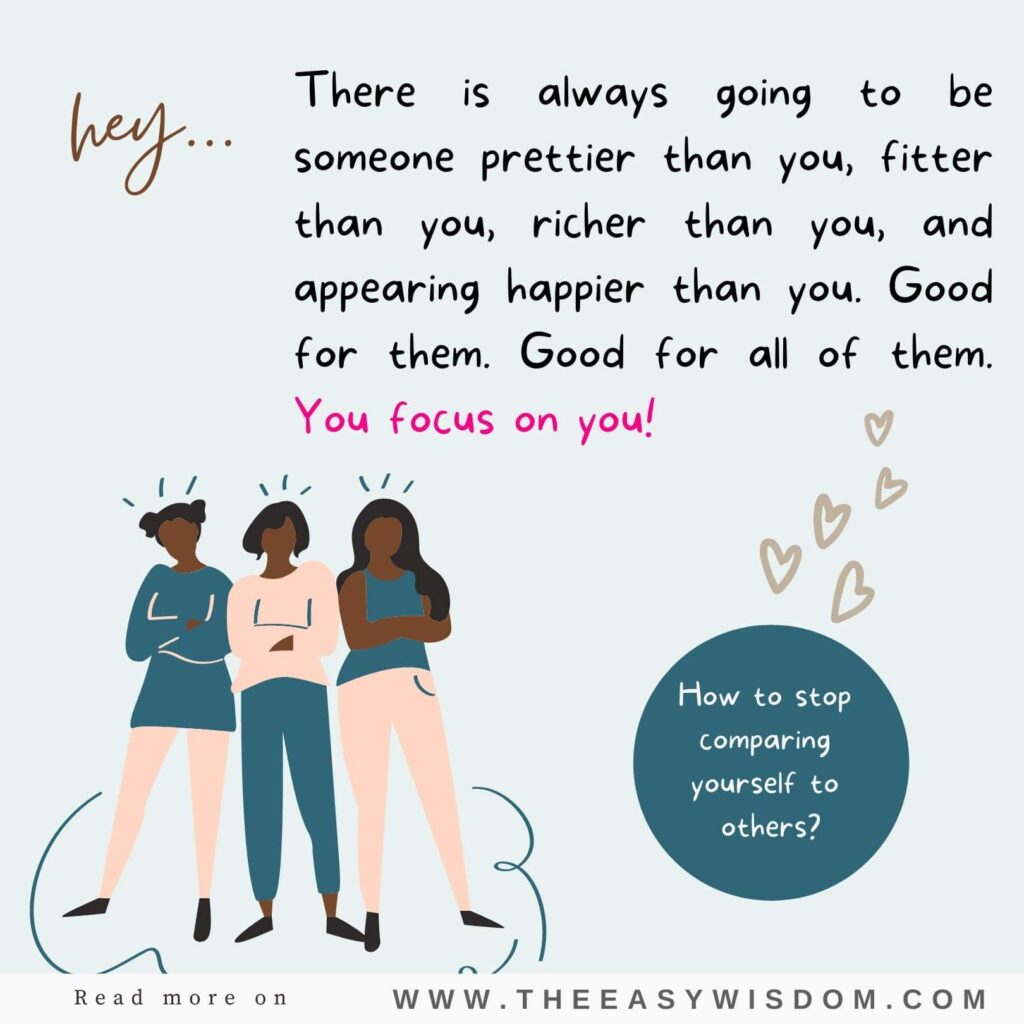
Referência: theeasywisdom.com
Comparison often stems from insecurity, a perceived lack, or a desire for improvement. It’s not inherently bad, but unchecked, it becomes a corrosive habit. Recognizing this urge is the first step toward disarming it. Don’t worry, you’re not alone in feeling this. It’s a common experience, and understanding how to stop comparing yourself to others is key.
Expert Tip: Trace the feeling. When do you compare most? What triggers it? Understanding your patterns empowers you to change them.
Referência: www.audible.com
The Role of Social Media in Comparison
That’s right, social media is a double-edged sword. It connects us, but it also presents a highly curated version of reality. What you see online is often a highlight reel, not the full, messy, authentic story. I’ve observed firsthand how this constant exposure to idealized lives fuels dissatisfaction.
It’s crucial to remember that everyone faces struggles behind their filtered posts. Psychology Today highlights how social media feeds are carefully constructed, presenting only the best angles. This isn’t a flaw in you; it’s a flaw in the system if you let it dictate your self-worth.
Referência: biggsuccess.com
Practical Strategies to Break the Habit
Breaking free from comparison requires intentional action. Start small, build momentum. One powerful strategy is to name your inner critic. Give that nagging voice a silly name, and recognize it as separate from your true self. This creates distance and lessens its power.
Another effective technique is to practice a ‘digital detox.’ Even an hour away from your phone, focusing on your own immediate surroundings, can reset your perspective. Prioritize real-world interactions and experiences over virtual ones.
Referência: vocal.media
Limit social media time.
Unfollow accounts that trigger comparison.
Engage in hobbies that bring you joy, not external validation.
Practice mindful breathing when comparison feelings arise.
Cultivating Self-Acceptance and Gratitude
True self-worth blossoms when you accept who you are, flaws and all. This isn’t about perfection; it’s about embracing authenticity. Gratitude is your secret weapon here. Regularly acknowledge what you have, what you’ve achieved, and the unique qualities that make you, well, you.
Keep a gratitude journal. List three things you’re thankful for each day. This simple practice shifts your focus from what’s lacking to what’s abundant. It rewires your brain to appreciate your own journey. Sometimes, we get so caught up in what others have that we forget to appreciate our own unique qualities, making it feel like we’re constantly looking for my look a like instead of celebrating ourselves.
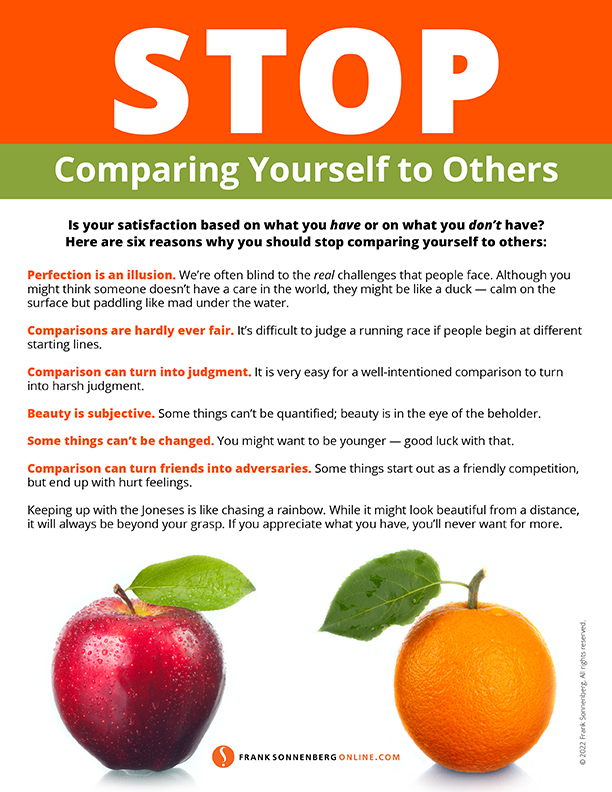
Referência: www.franksonnenbergonline.com
Expert Tip: Celebrate your small wins. Every step forward, no matter how tiny, deserves recognition. This builds intrinsic motivation.
Mental Shifts for Long-Term Change
This isn’t a quick fix; it’s a long-term commitment to your mental well-being. Shift your mindset from competition to collaboration. Instead of viewing others’ successes as your failures, see them as inspiration or proof of what’s possible. Focus on your personal growth trajectory.
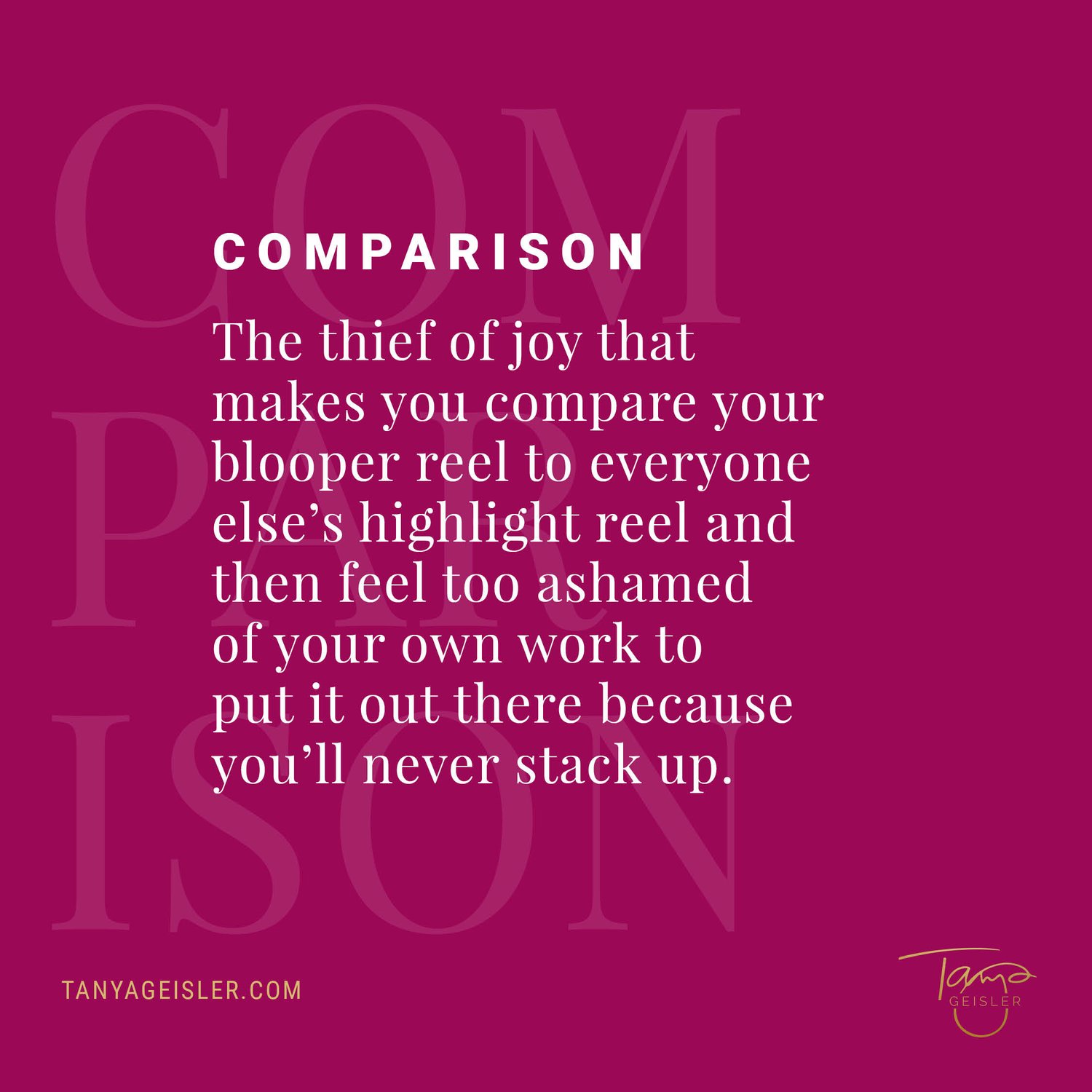
Referência: tanyageisler.com
Embrace the concept of ‘enough.’ You are enough, exactly as you are, right now. This doesn’t mean you stop striving for improvement, but it means your worth isn’t contingent on external achievements or comparisons.
Seeking Professional Support When Needed
Sometimes, the patterns of comparison run deep, impacting your daily life and mental health. There’s immense strength in recognizing when you need an extra hand. Don’t hesitate to seek professional guidance.
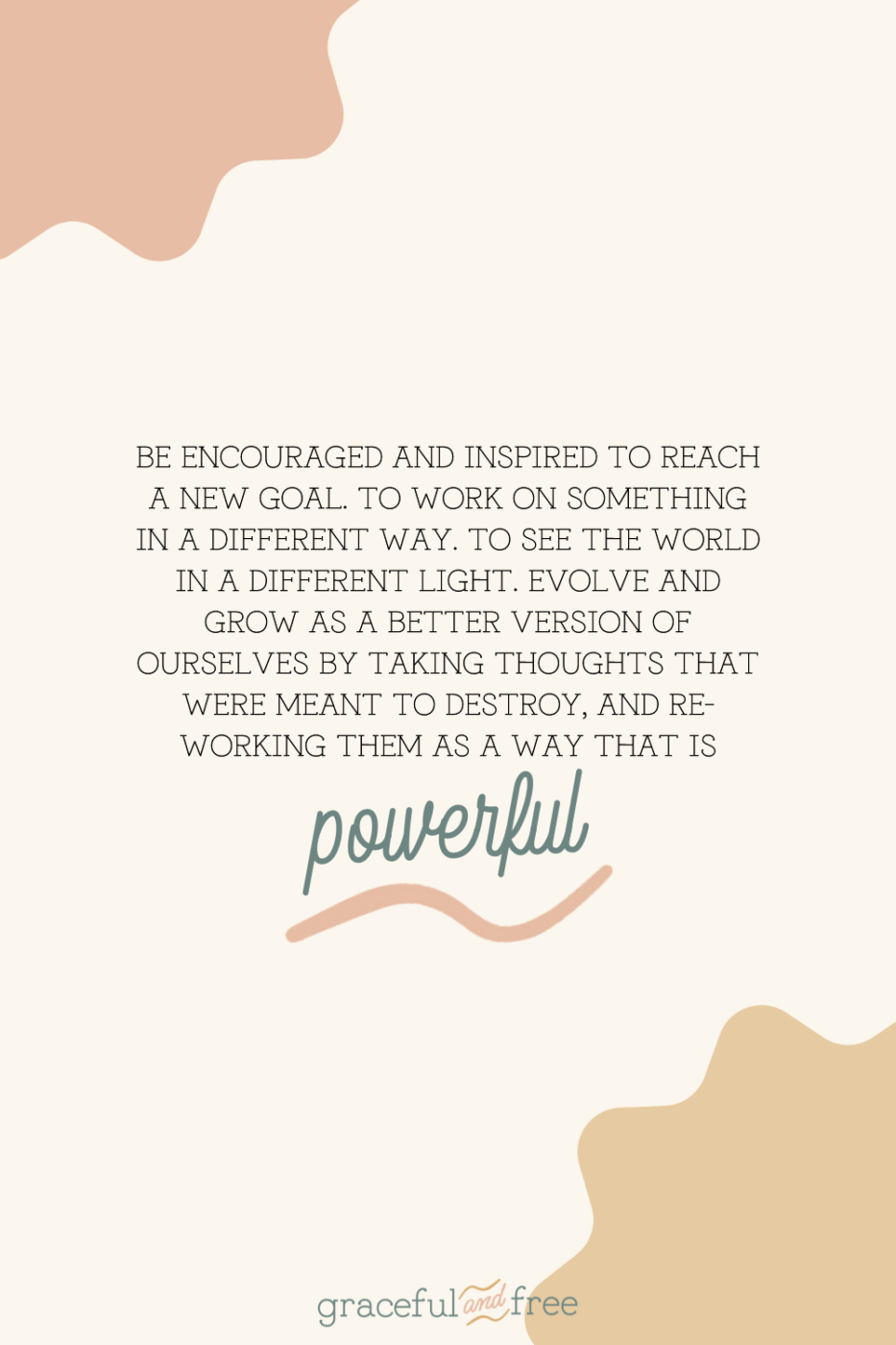
Referência: gracefulandfree.com
A therapist or coach can provide personalized strategies and tools to navigate these complex emotions. They can help you challenge ingrained beliefs and foster lasting self-compassion. As Healthline suggests, developing self-compassion is a powerful antidote to comparison.
Real Benefits and Challenges of Halting Comparison
Stopping the comparison cycle isn’t easy, but the rewards are profound. You’re investing in your peace of mind and overall happiness.
Referência: self-believer.com
Increased Self-Esteem: You’ll develop a stronger sense of self-worth based on your own values and achievements, not others’.
Greater Contentment: Life’s simple joys become more apparent when you’re not constantly chasing someone else’s highlight reel.
Reduced Anxiety and Stress: The pressure to ‘keep up’ dissipates, leading to a calmer, more focused existence.
Authentic Relationships: You’ll connect more genuinely with others when you’re not viewing them through a lens of competition.
Enhanced Motivation: Your goals become truly yours, driven by personal passion rather than external validation.
However, this journey also presents its challenges:
Persistent Triggers: Social media and everyday interactions will still present opportunities for comparison. Vigilance is key.
Old Habits Die Hard: Rewiring years of comparative thinking takes time and consistent effort.
Fear of Missing Out (FOMO): Initially, you might feel a disconnect from what ‘everyone else’ is doing.
Internal Resistance: Your inner critic may fight back, trying to pull you back into familiar patterns.
Myths and Truths About Stopping Comparison
There are many misconceptions about what it means to truly feel enough. Let’s clear the air.
Referência: medium.com
Myth: You’ll stop caring about self-improvement.
Truth: Quite the opposite. When you stop comparing, your drive for self-improvement becomes authentic. You’ll pursue goals that genuinely resonate with you, not just those that look good to others. This leads to more sustainable and fulfilling growth.
Myth: It means ignoring others’ successes.
Truth: Not at all. You can appreciate and celebrate others’ achievements without diminishing your own. In fact, you’ll find inspiration and learn from their journeys, rather than feeling threatened by them. It’s about shifting from envy to admiration.
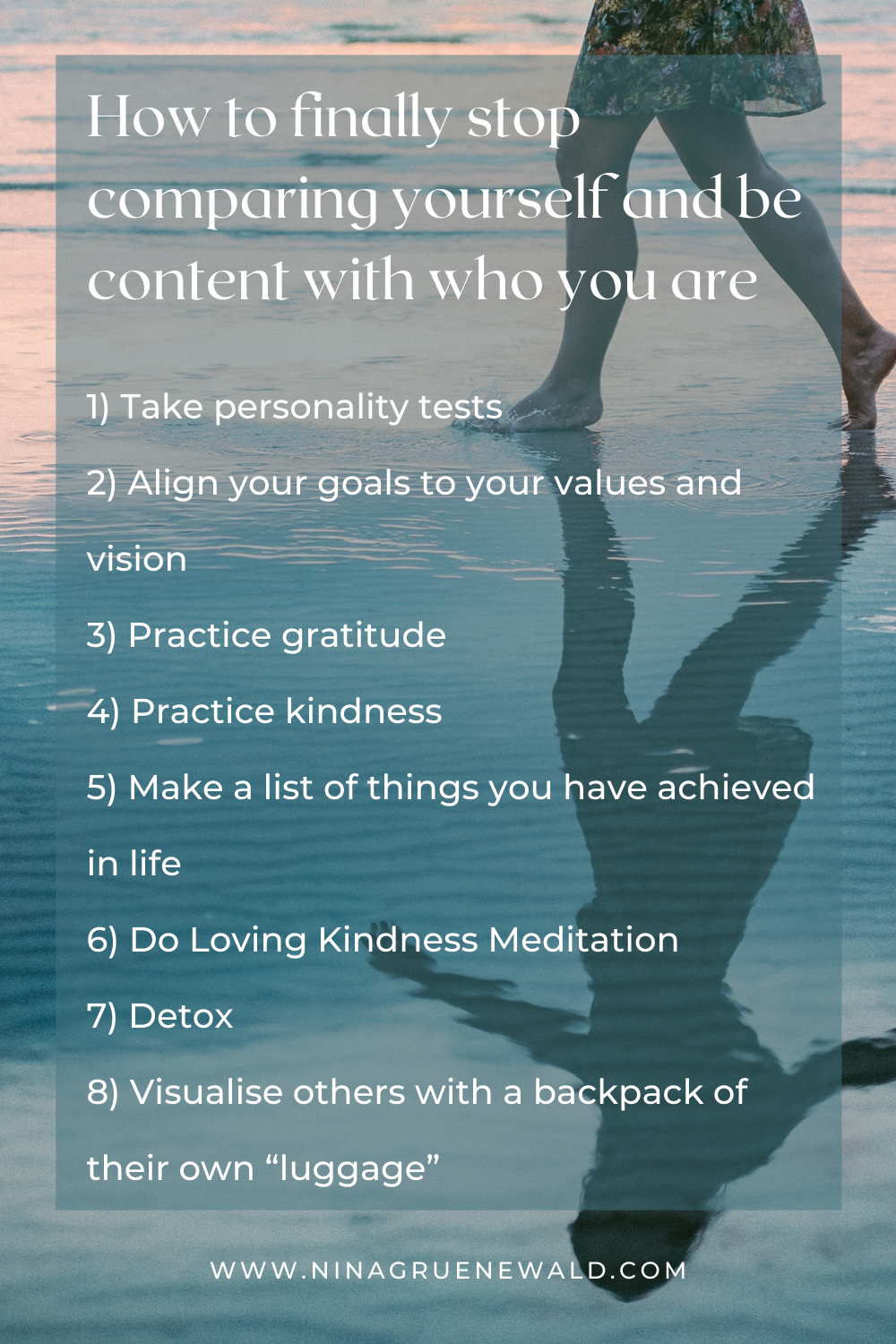
Referência: www.ninagruenewald.com
Myth: You’ll become complacent.
Truth: Feeling ‘enough’ isn’t about complacency; it’s about a secure foundation. It means your value isn’t tied to external metrics. From this stable place, you can pursue challenges, take risks, and grow, knowing your worth remains intact regardless of the outcome.
Myth: It’s an overnight fix.
Truth: This is a continuous practice, a daily commitment to your inner world. There will be days you slip, and that’s perfectly normal. The key is gentle redirection, not harsh self-criticism. Each time you choose self-compassion over comparison, you strengthen a new neural pathway.
Referência: www.developgoodhabits.com
Extra Tips
Acknowledge the highlight reel: Remember that what you see online is often a carefully curated version of reality. People share their best moments, not their everyday struggles.
Focus on your own journey: Shift your attention from what others are doing to your personal goals and progress. Celebrate your small wins.
Practice gratitude: Regularly list things you’re thankful for. This redirects your focus from what you lack to what you have.
Limit exposure: If certain accounts or platforms consistently trigger comparison, take a break or unfollow them. Your peace of mind is paramount.
Frequently Asked Questions
How can I stop comparing myself to others on social media?
Social media often presents an unrealistic portrayal of life. To combat this, consciously remind yourself that you’re viewing a highlight reel. Focus on building self-acceptance by engaging with content that inspires rather than triggers envy. Regularly practice mindfulness to stay present and aware of your thoughts.
What are some strategies to overcome comparison?
Key strategies include identifying your triggers, practicing self-compassion, and shifting your focus to internal progress. Naming your inner critic, as suggested by Healthline, can also be powerful. Remember, the goal is to foster self-acceptance and recognize your unique path.
How do I build self-acceptance when I constantly compare myself?
Building self-acceptance is an ongoing process. Start by celebrating your individual achievements, no matter how small. Practice gratitude for what you have and focus on your personal growth. Understanding the psychology of comparison can also help you reframe your thoughts and move beyond external validation.
Conclusion
Let’s agree, breaking free from the comparison trap is a journey, not a destination. By implementing these strategies, you’re actively choosing to nurture your own growth and well-being. Remember to be patient with yourself. Exploring topics like cultivating self-worth and understanding the psychology of comparison can offer further insights as you continue on your path to feeling truly enough.
Aisha Corbin is a dedicated beauty researcher and product formulation consultant with a passion for ingredient transparency. After years working in the labs of cosmetic brands, she grew frustrated with marketing claims that overshadowed scientific truth. This inspired her to create her column as a trusted resource. Aisha specializes in breaking down complex ingredient lists and reviewing products based on their formulation and user results. She has collaborated with numerous skincare startups to help them develop effective, evidence-based products and is a respected voice in online beauty communities for her meticulous, unbiased analysis.