

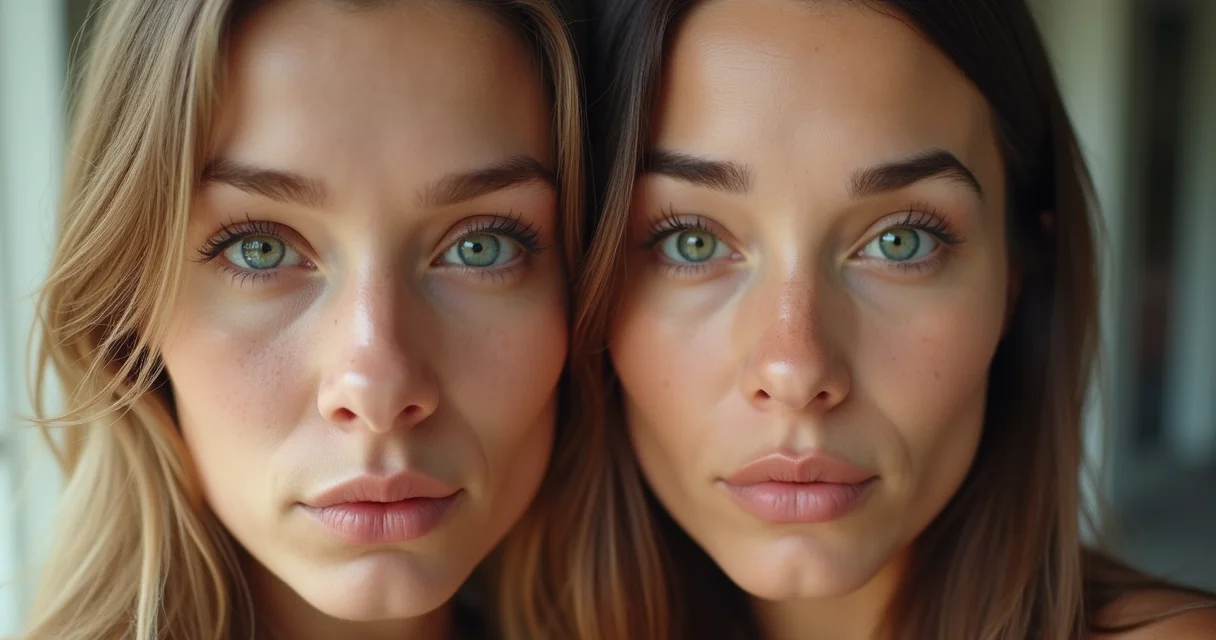
Ever scrolled through social media and stopped dead, convinced you’d found your identical twin? It’s a common experience: the uncanny feeling of seeing your own face staring back from a complete stranger. This phenomenon of having a ‘my look a like’ is more than just a fun coincidence; it’s a fascinating aspect of human identity. In 2026, we’re exploring why these visual echoes exist and what they reveal about us. Get ready to discover the surprising science behind your stranger twin.
Unpacking the ‘Doppelgänger’ Phenomenon: Stranger Twins and Shared Traits
The concept of a doppelgänger, a German term for a “double-walker,” has captivated imaginations for centuries. It describes someone who bears an uncanny resemblance to another individual. These aren’t just casual look-alikes; they are often startlingly similar.
Interestingly, these pairs often share more than just facial features. Scientists are discovering that stranger twins, people who look alike without any familial connection, can sometimes have surprisingly similar genetic predispositions or environmental influences.
Understanding why these visual connections occur offers a unique perspective on individuality and shared human experiences. It highlights how diverse genetic combinations can lead to remarkably similar outcomes.
Featured in 2026: The most relevant data found.
Your Identical Stranger: The Modern Quest for Your Look-Alike

Imagine! You’re scrolling through social media, or perhaps walking down a busy street, and suddenly, you see someone who looks uncannily like you. It’s a moment that stops you in your tracks, a peculiar blend of recognition and surprise. In an increasingly interconnected world, the fascination with finding our “my look a like” has exploded, fueled by advanced technology and our innate human curiosity.
Today, in 2026, this quest is more accessible and intriguing than ever. We’re not just talking about a passing resemblance; we’re exploring the profound, sometimes eerie, experience of discovering a non-biological twin. This journey isn’t just about superficial similarity; it delves into shared genetics, cultural narratives, and the surprising ways we connect across continents. Don’t worry, you’re not alone in this fascination; it’s a shared human wonder.
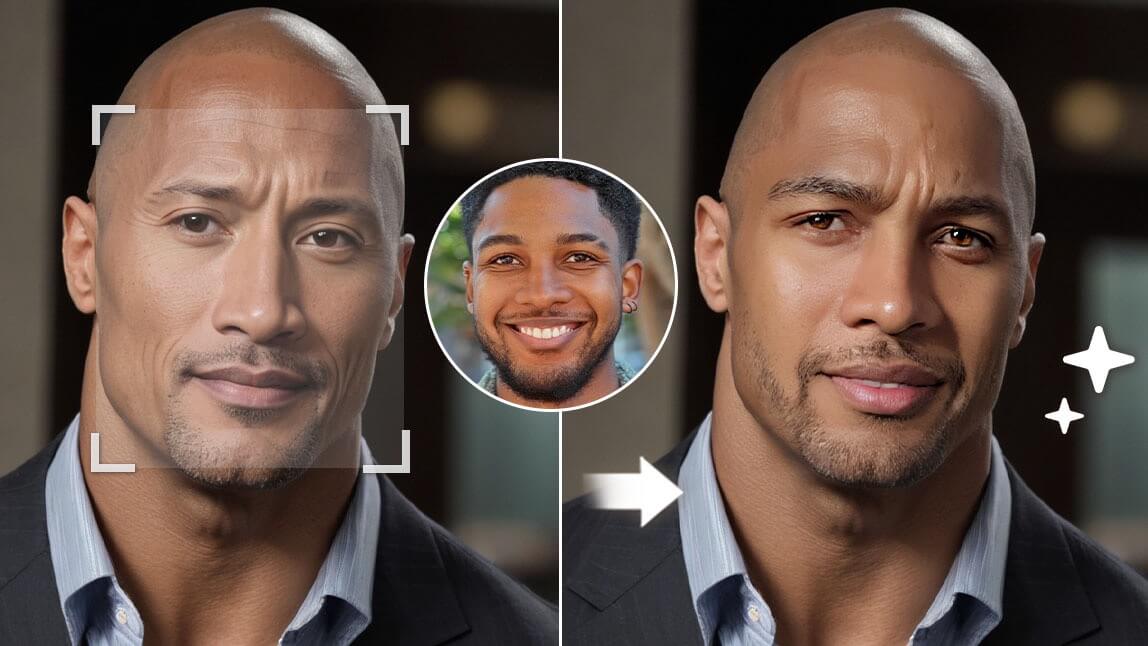
Technical X-Ray: Unpacking the Look-Alike Phenomenon
The allure of finding someone who mirrors your appearance is undeniable. It offers a unique lens for self-reflection, a chance to see yourself through another’s eyes, literally. Beyond the initial shock, there’s a deep satisfaction in understanding the science and patterns behind these striking resemblances. It’s about recognizing the intricate tapestry of human genetics and population distribution.
Let’s agree, the terms can be a bit confusing. While often used interchangeably, there are subtle distinctions between a classic doppelgänger and what scientists refer to as stranger twins. Here’s a quick breakdown:
| Concept | Definition | Key Characteristics |
|---|---|---|
| Doppelgänger | A German term meaning “double-walker,” referring to someone who looks strikingly similar to another person. | Often associated with folklore or a sense of an eerie, identical double. |
| Stranger Twins | Individuals who look remarkably similar to each other, often sharing similar genetic traits despite no biological relation. | A more scientific classification, emphasizing shared genetic markers without kinship. |
What is a Doppelgänger?
Historically, the concept of a doppelgänger has been steeped in mystery and myth. Originating from German folklore, it implies an ethereal double, often seen as an omen or a premonition. Over time, its meaning evolved to describe any non-biologically related individual who bears an extraordinary resemblance to another person.
Today, when we talk about a doppelgänger, we’re generally referring to that astonishing moment of encountering someone who could easily pass for your twin. It’s a powerful experience, sparking questions about identity, coincidence, and the vast diversity of human appearance.
Top Tools and Apps to Find Your Look-Alike
The digital age has transformed the hunt for your look-alike into an accessible and engaging activity. You no longer need to rely purely on chance encounters. Modern technology offers sophisticated pathways to connect you with your visual counterparts:
- AI Facial Recognition Scan Apps: Upload your photo, and these powerful algorithms scan vast databases of public images to identify potential matches. They map key facial features, ratios, and contours.
- Celebrity Look-Alike Finders: Focused on matching your face with famous personalities, these tools are often integrated into social media filters or standalone apps for entertainment.
- Historical Portrait Matchers: Imagine finding your double in an ancient painting! Some apps use advanced image recognition to compare your features with digitized art collections.
- Genetic Trait Comparison Platforms: While not purely visual, some services use genetic data to identify individuals with similar ancestral traits, which can often manifest in shared physical characteristics.
- Social Media Algorithms: Often inadvertently, platforms suggest “people you may know” who might share uncanny resemblances based on shared connections or photo tagging.
- Community-Driven Look-Alike Forums: Dedicated online communities where users post photos and collectively help each other find their doubles.
- Advanced Facial Mapping Tools: These go beyond simple comparisons, analyzing minute details like skin texture, eye color variations, and even bone structure to provide high-precision matches.
- Virtual Reality Look-Alike Experiences: Emerging technologies allow for immersive experiences where you can “meet” virtual renditions of your look-alikes from around the globe.
- Genealogy Photo Databases: Some family history sites integrate photo comparison features, suggesting resemblances within extended family trees or historical records.
- Global Photo Aggregators: Platforms that pull images from various public sources, using sophisticated search parameters to identify facial similarities across diverse populations.
Using AI for Celebrity Look-Alike Matches
That’s right, AI has revolutionized how we discover our celebrity doppelgängers. These tools leverage deep learning and neural networks to analyze your facial geometry, comparing hundreds of data points against a vast catalog of famous faces. It’s not just about a general likeness; it’s about pinpointing specific features that align, offering surprisingly accurate and often amusing results.
“The beauty of AI in look-alike matching lies in its ability to process incredible amounts of visual data with unparalleled speed. It identifies subtle patterns and ratios that the human eye might miss, making the search for your famous double both entertaining and remarkably precise.”
Finding Artistic Doppelgängers in Art
The search for your look-alike isn’t confined to the digital realm or living people; it extends into the timeless world of art. Many people discover their artistic doppelgängers in classical portraits, sculptures, or even modern photography. It’s a fascinating journey through art history, comparing your features to those immortalized by artists.
This often involves a keen eye for historical fashion, hairstyles, and facial expressions, creating a unique connection between your contemporary self and figures from centuries past. Imagine seeing your exact likeness staring back from a Renaissance painting; it’s a powerful experience that transcends time.
The Science Behind Look-Alikes and Genetics
Beyond folklore and fun apps, there’s compelling science at play. Research suggests that stranger twins often share more than just facial features; they frequently exhibit similar genetic markers. This doesn’t mean they’re secretly related; rather, it highlights the finite number of ways human genes can combine to produce facial structures and features.
Our vast global population means that, statistically, the same genetic combinations for facial traits are bound to reappear. It’s a testament to the intricate dance of heredity and the subtle variations within our species.
“While environment and lifestyle play a role in overall appearance, the core architecture of your face is dictated by your genes. When two unrelated individuals share strikingly similar faces, it’s often a fascinating example of genetic convergence—the independent evolution of similar traits.”
Odds of Finding Your Doppelgänger
So, what are the chances? While finding an exact, identical match is incredibly rare, encountering someone with an uncanny resemblance is more common than you might think. With billions of people on the planet, the mathematical probability of two unrelated individuals sharing a significant number of facial features increases dramatically.
You likely have several close look-alikes scattered around the world, perhaps even some in your own country. The advent of global communication and image-sharing simply makes these discoveries more frequent and accessible, turning a once-mythical concept into a tangible reality.
More Inspirations for You
A close-up facial portrait showcasing symmetrical features and a neutral expression, ideal for AI doppelganger search.
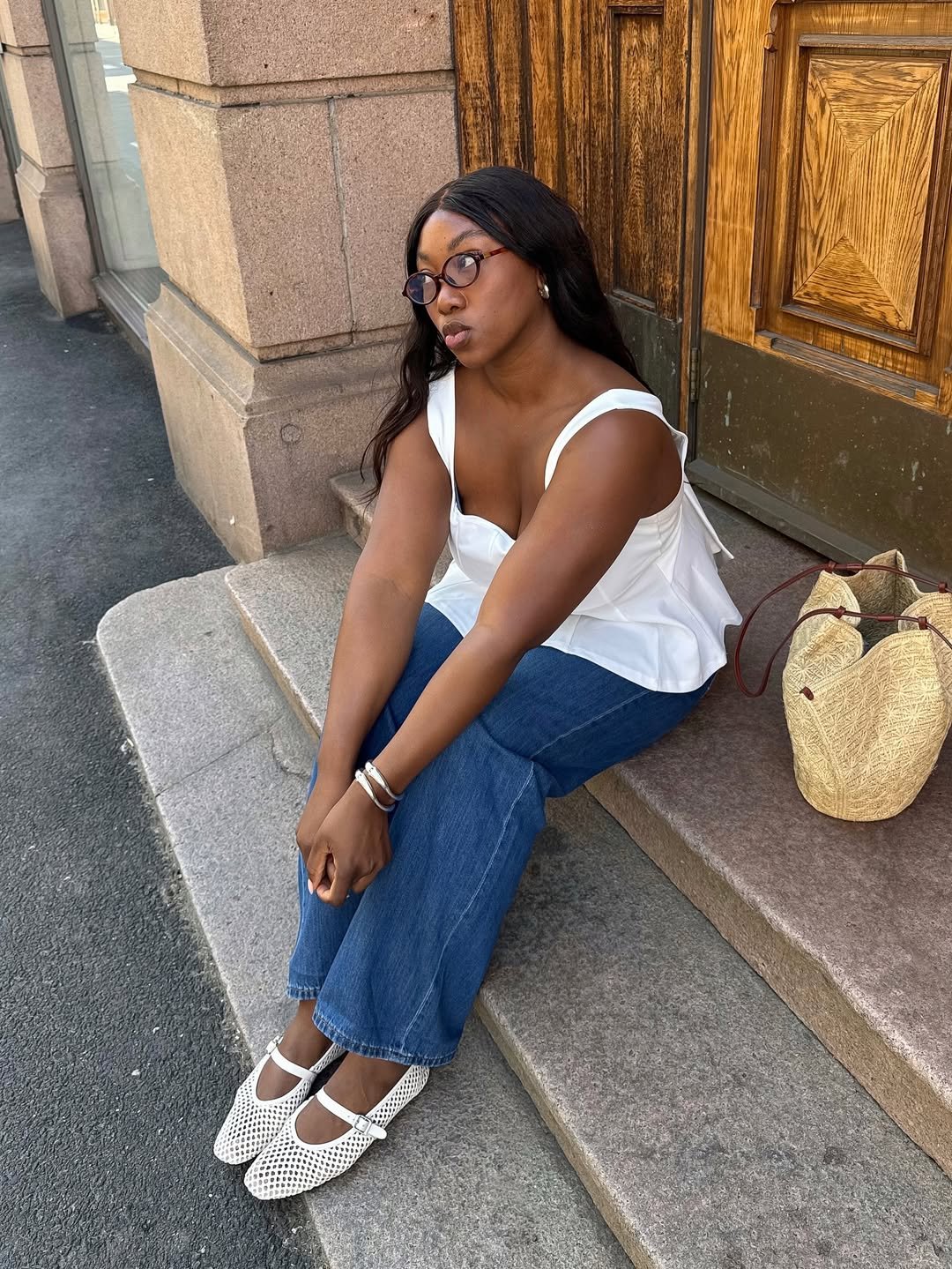
A full-body shot highlighting posture and gait, useful for identifying a real-life doppelgänger with similar mannerisms.
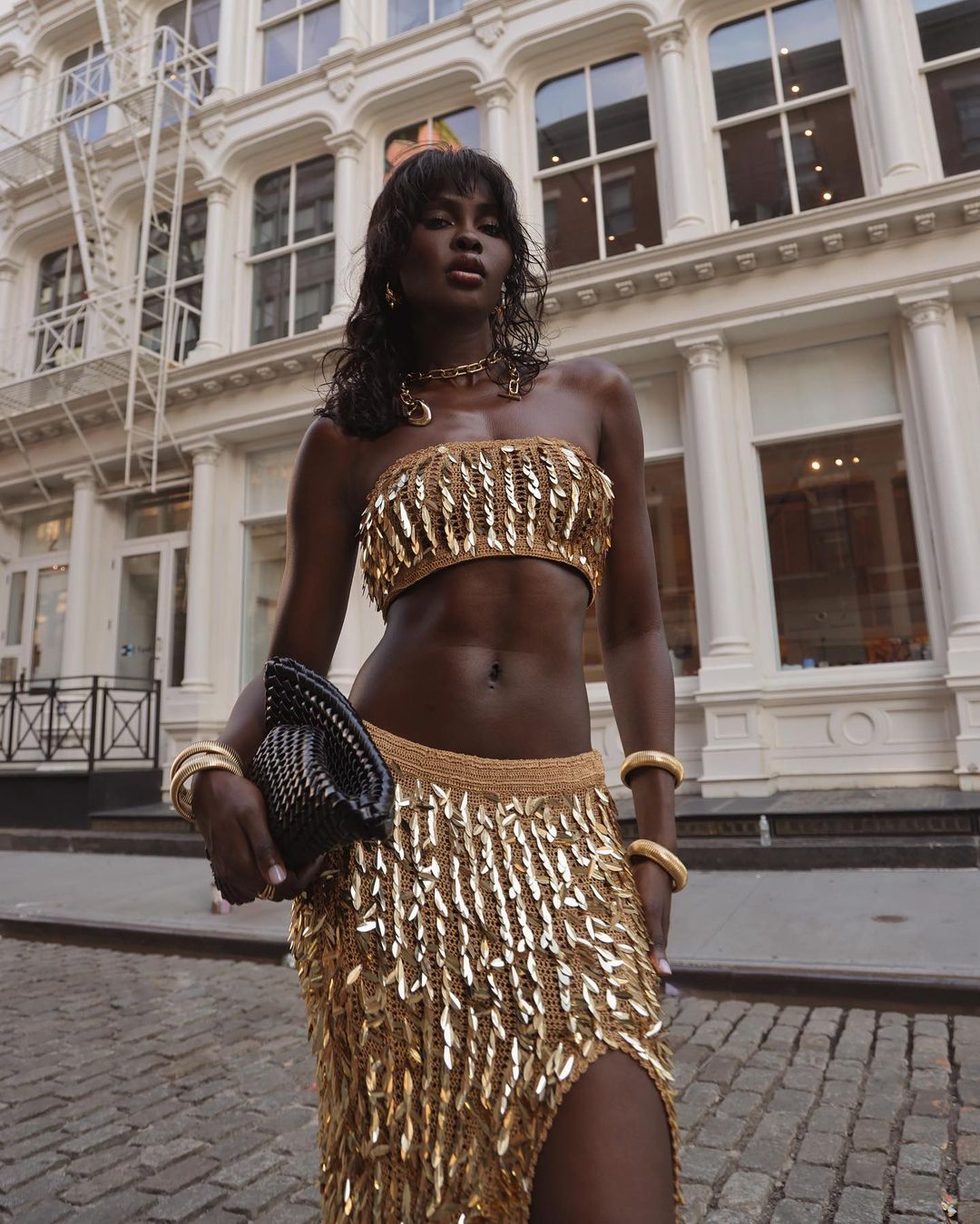
A candid photograph capturing a genuine smile, revealing unique dental structures and cheekbone contours for a celebrity look-alike finder.
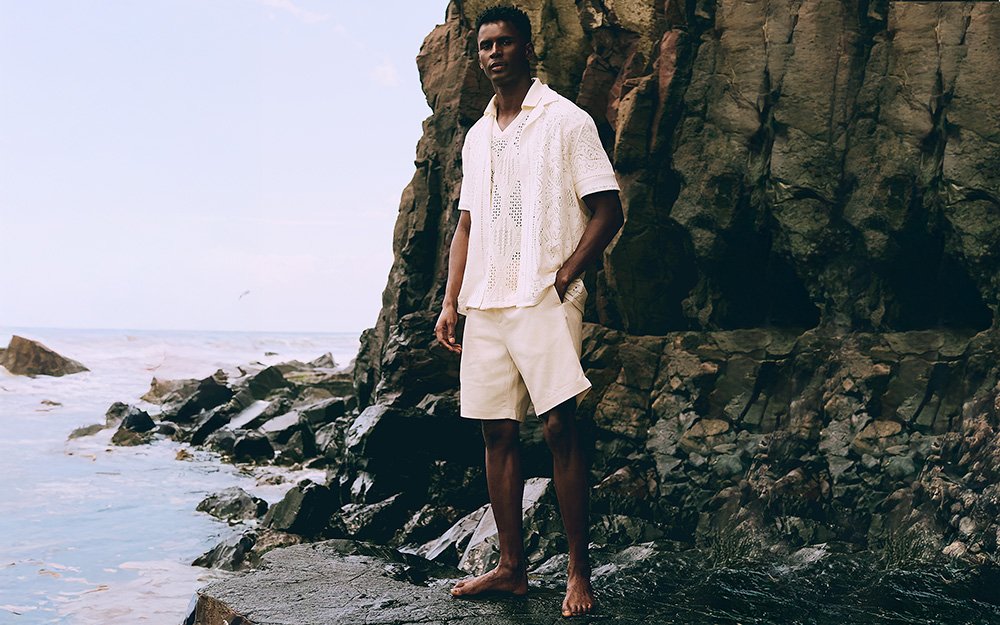
A profile view emphasizing the nose and jawline structure, critical for detailed comparison in a doppelganger search.

A headshot with consistent lighting from the front, minimizing shadows that could obscure subtle facial resemblances for a look-alike app.
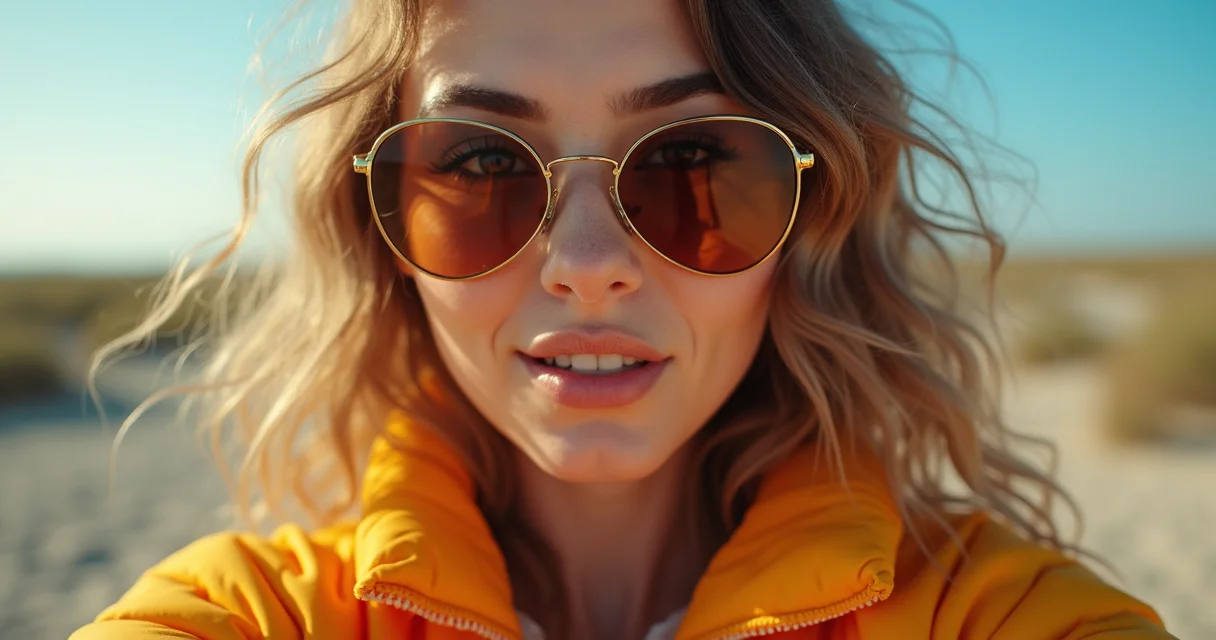
A comparison image juxtaposing two individuals’ eyes, noting iris color, pupil size, and eyelid shape for a twin stranger analysis.
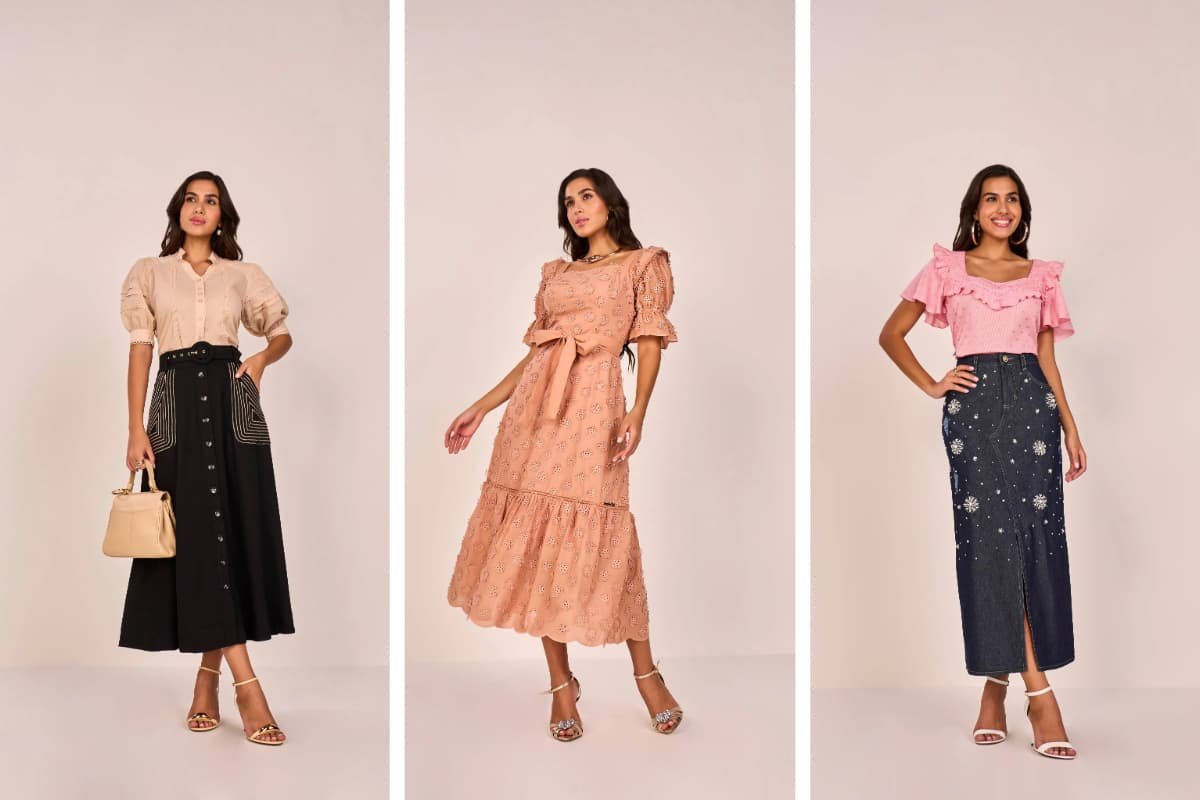
A side-by-side comparison of ear shapes, a feature often overlooked but distinctive for finding your look-alike.
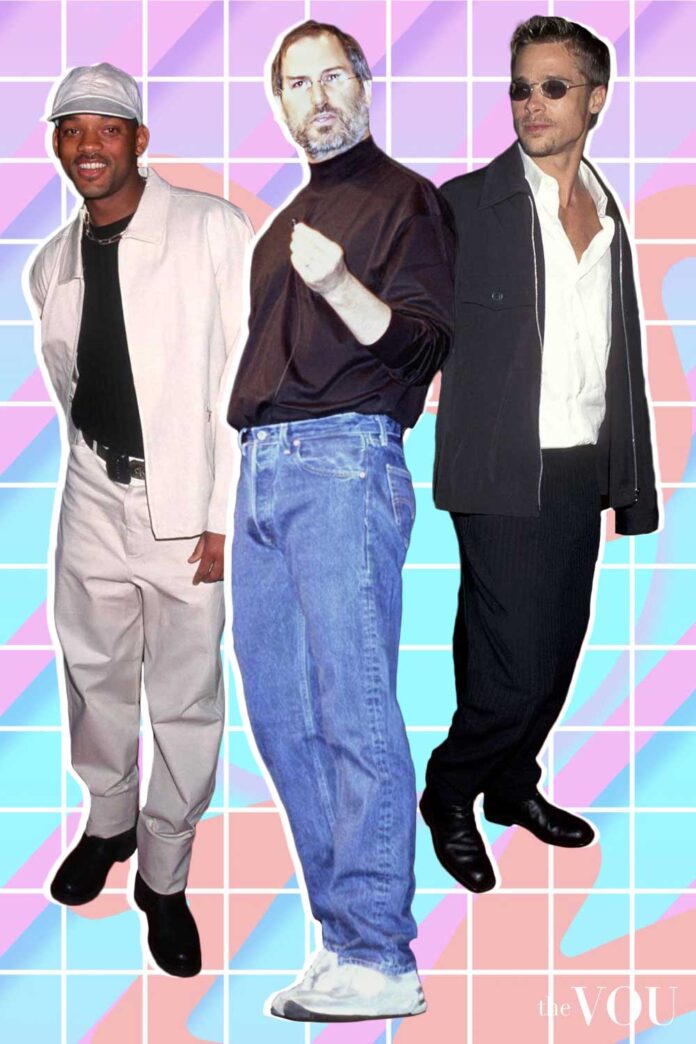
A portrait focusing on the hairline and forehead shape, key identifiers in AI doppelganger searches.

An image displaying the natural texture and color of hair, contributing to overall facial similarity for a celebrity look-alike finder.
A photograph capturing the distinct shape of the lips and mouth, important for a how to find my look-alike query.
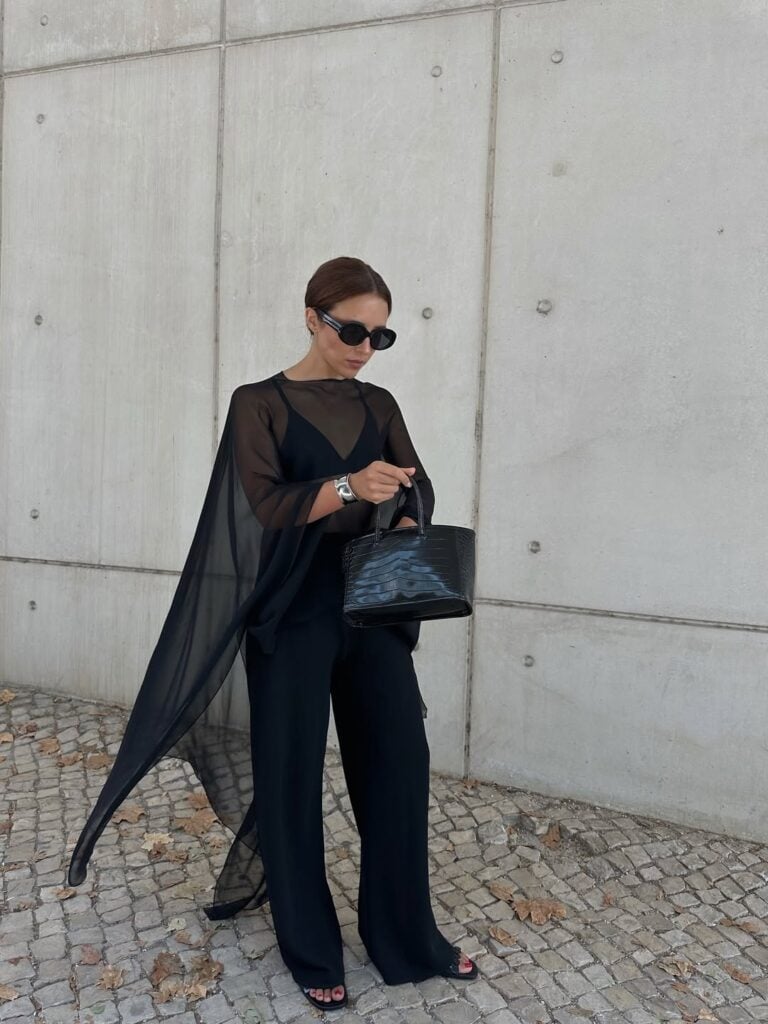
A picture showcasing the unique pattern of freckles or moles on the skin, a highly specific detail for doppelganger identification.
A portrait with a consistent background color, ensuring the focus remains solely on facial features for a doppelganger search.
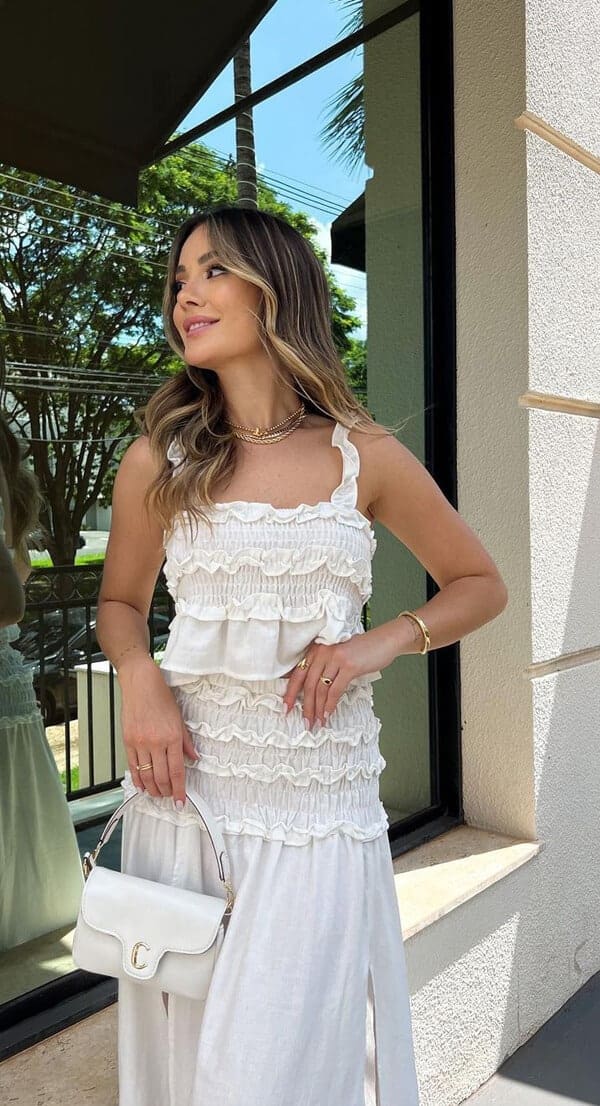
An image demonstrating the subtle asymmetry often present in human faces, a detail that can paradoxically enhance a look-alike match.
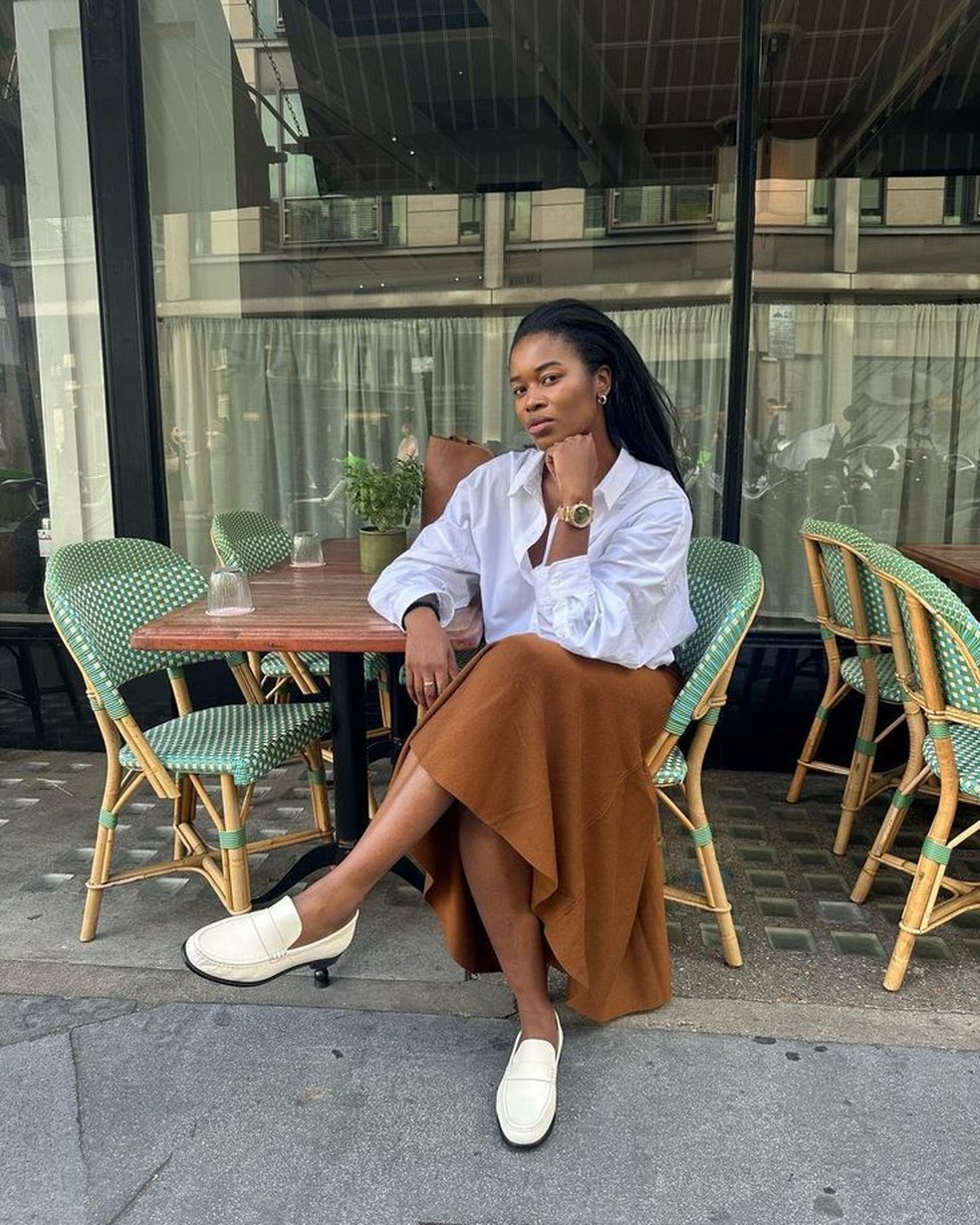
A comparison of eyebrow thickness, arch, and spacing, crucial elements for precise facial recognition in a look-alike context.

A high-resolution photograph of the chin and jawline, providing clear definition for detailed analysis in any AI doppelganger search.
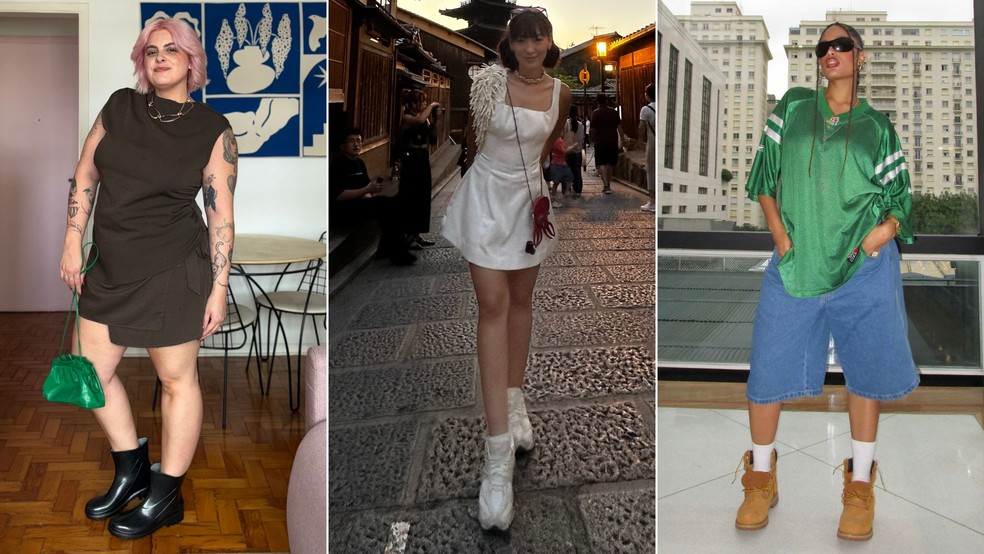
A close-up facial portrait showcasing symmetrical features and a neutral expression, ideal for AI doppelganger search.
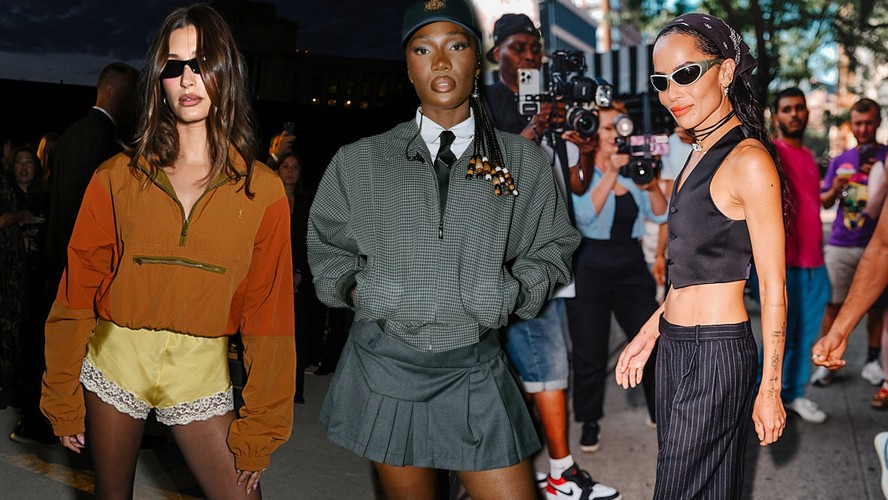
A full-body shot highlighting posture and gait, useful for identifying a real-life doppelgänger with similar mannerisms.

A candid photograph capturing a genuine smile, revealing unique dental structures and cheekbone contours for a celebrity look-alike finder.
Extra Tips
- Look beyond the obvious: Sometimes, the most striking similarities aren’t in the face, but in the way someone smiles, their posture, or even their gestures. Pay attention to these nuances.
- Consider childhood photos: As we age, our features change. Comparing current photos with childhood pictures of potential look-alikes can reveal deeper resemblances.
- Ask friends and family: Others often see similarities we miss. Share photos and ask for their opinions – they might spot your doppelgänger instantly.
- Explore different cultures: Your look-alike might be halfway across the world! Broaden your search beyond your immediate social circle or geographic location.
Frequently Asked Questions
How can I find my look-alike online?
You can use AI doppelganger search tools and celebrity look-alike finders. Uploading your photo to these platforms can help identify individuals with similar facial features. Exploring online communities dedicated to finding twin strangers can also be effective.
Are there apps to find my look-alike?
Yes, several apps leverage facial recognition technology. Some focus on celebrity look-alikes, while others aim to find everyday people who resemble you. Remember to check the privacy policies of any app you use.
What does ‘doppelgänger’ mean?
The term ‘doppelgänger’ originates from German and literally means ‘double-walker.’ It refers to someone who looks strikingly similar to another person, often to an uncanny degree, even if they are unrelated.
Conclusion
Discovering your look-alike is a fascinating journey into identity and connection. It’s a reminder that uniqueness can be found in unexpected similarities. As you continue exploring, consider delving into the science behind doppelgängers to understand the probabilities, or perhaps investigate creative ways to find your look-alike. The world is full of surprising connections waiting to be made.
